

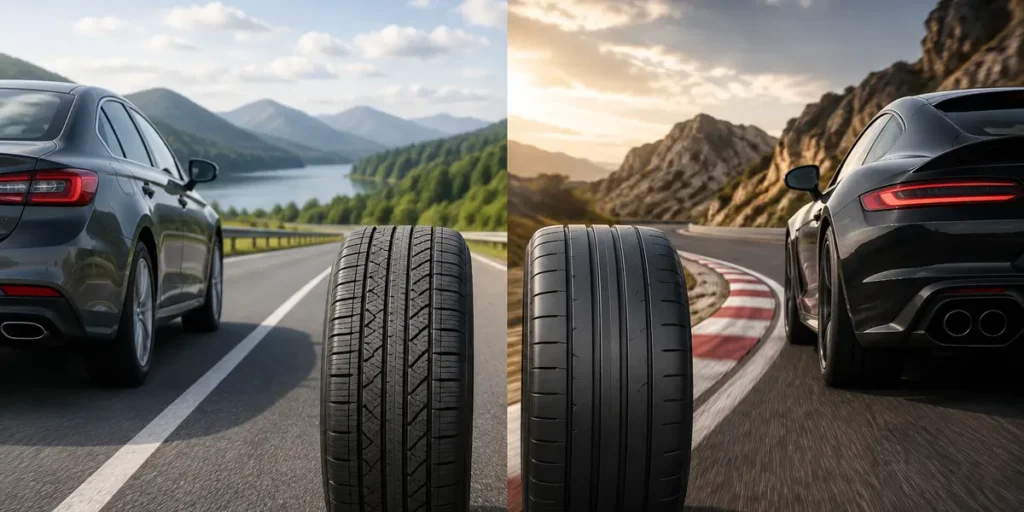
When it is time to replace your vehicle’s tires, one question often comes up: Touring Tires vs Performance Tires. At first glance, they may look similar, but they are built for very different driving experiences.
Some drivers want a smooth and quiet ride for daily commuting. Others want sharp handling and maximum grip when taking corners or driving at higher speeds. Choosing the wrong tire can affect comfort, fuel economy, handling, and even safety.
This guide will help you understand the differences between touring and performance tires so you can make the best decision for your vehicle and driving style.
What Are Touring Tires?
Touring tires are designed for drivers who prioritize comfort, durability, and all around usability. They are commonly found on family sedans, crossovers, and many everyday vehicles.
The main goal of a touring tire is to provide a comfortable and predictable driving experience. They are engineered to reduce road noise, absorb bumps, and deliver reliable traction in a variety of weather conditions.

Key Features of Touring Tires
- Comfortable ride quality
- Low road noise
- Longer tread life
- Better fuel efficiency
- Reliable wet and dry traction
- Suitable for long distance driving
For most drivers who spend their time commuting, running errands, or taking road trips, touring tires offer a balanced solution.
What Are Performance Tires?
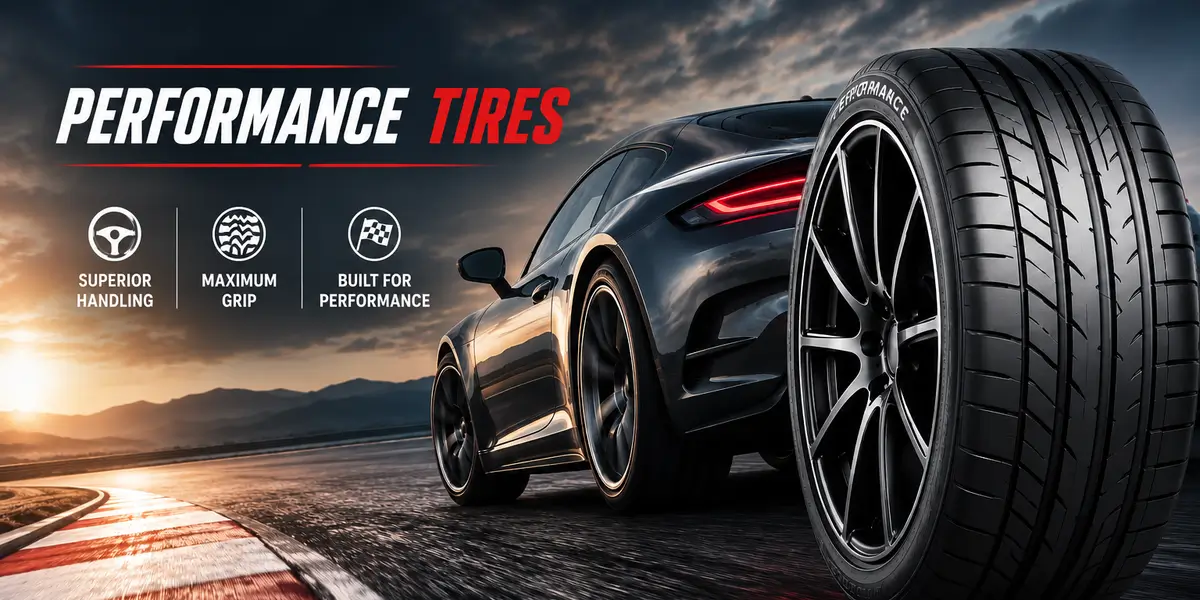
Performance tires are designed with handling and grip as the top priorities. These tires are commonly installed on sports cars, performance sedans, and vehicles built for spirited driving.
The rubber compounds used in performance tires are typically softer, allowing them to grip the road more effectively. This translates into faster cornering, better braking performance, and improved responsiveness.
Key Features of Performance Tires
- Enhanced steering response
- Superior cornering ability
- Strong dry road traction
- Improved high speed stability
- Shorter braking distances
- Better driver control
Drivers who enjoy an engaging driving experience often prefer performance tires because they make the vehicle feel more connected to the road.
Touring Tires vs Performance Tires: The Main Differences
Understanding the differences between these tire categories makes it easier to select the right option.
Ride Comfort
Touring tires are built with comfort in mind. They absorb road imperfections more effectively and create a smoother driving experience.
Performance tires prioritize handling over comfort. As a result, the ride can feel firmer, especially on rough roads.
Winner: Touring Tires
Handling and Cornering
When it comes to sharp turns and quick steering response, performance tires are the clear winner. Their design allows them to maintain better contact with the road during aggressive driving.
Touring tires provide stable handling but are not designed for maximum cornering performance.
Winner: Performance Tires
Tread Life
One of the biggest touring tire benefits is longevity. Many touring tires can last significantly longer than performance tires.
Performance tires use softer rubber compounds that wear down faster due to increased grip.
Winner: Touring Tires
Road Noise
Touring tires are engineered to minimize noise and vibration.
Performance tires often produce more road noise because of their tread design and focus on traction.
Winner: Touring Tires
Fuel Economy
Long lasting touring tires generally offer lower rolling resistance, which can contribute to better fuel efficiency.
Performance tires typically create more resistance, which may slightly reduce fuel economy.
Winner: Touring Tires
Dry Weather Performance
Performance tires excel in dry conditions. Their tread design and rubber compounds maximize grip and responsiveness.
Touring tires perform well in everyday situations but cannot match the grip levels of performance tires.
Winner: Performance Tires
Wet Weather Performance
Modern touring and performance tires both provide solid wet traction. However, many touring tires are optimized for a wider range of weather conditions.
Some high performance tires focus heavily on dry grip and may not perform as well in heavy rain.
Winner: Depends on the tire model
Touring Tire Benefits
Many drivers choose touring tires because they provide excellent value and practicality.
Comfortable Daily Driving
Touring tires make everyday commuting more enjoyable by reducing vibrations and road harshness.
Longer Lifespan
Because they are built for durability, touring tires typically last longer before needing replacement.
Better Road Trip Experience
Long highway drives become less tiring thanks to reduced noise and improved ride comfort.
Cost Effective Ownership
The combination of longer tread life and improved fuel efficiency can help reduce overall ownership costs.
Performance Tire Benefits
For enthusiasts and drivers who value precision, performance tires offer several advantages.
Superior Grip
Performance tires deliver exceptional traction during acceleration, braking, and cornering.
Enhanced Vehicle Control
The steering feels more responsive, giving drivers greater confidence behind the wheel.
Improved Braking Performance
Shorter stopping distances can improve safety, particularly during emergency situations.
Better Driving Enjoyment
Performance tires can transform the way a vehicle feels on the road, making every drive more engaging.
Which Tires Are Best for My Car?
This is one of the most common questions drivers ask.
The answer depends on how you use your vehicle.
Choose Touring Tires If:
- You drive primarily for commuting
- Comfort is important to you
- You take frequent road trips
- You want longer tread life
- Fuel efficiency matters
- You drive a family sedan or crossover
Choose Performance Tires If:
- You own a sports car
- You enjoy spirited driving
- Sharp handling is a priority
- You frequently drive on winding roads
- Maximum grip is important
- You want the best possible road feedback
Touring vs Performance Tires for Different Vehicles
Family Sedans
Touring tires are usually the best fit because they provide comfort, durability, and efficiency.
Sports Cars
Performance tires for sports cars are typically the preferred choice because they unlock the vehicle’s handling capabilities.
Luxury Vehicles
Many luxury vehicles use touring tires to maximize ride comfort while maintaining strong performance.
Sport Sedans
Sport sedans can benefit from either option depending on the owner’s driving preferences.
Tire Buying Guide: Questions to Ask Before Choosing
Before purchasing new tires, consider these questions:
How Do You Drive Most Often?
Your daily driving habits should influence your decision more than occasional driving situations.
What Weather Conditions Do You Face?
Drivers in regions with varying weather conditions may prefer the versatility of touring tires.
How Important Is Comfort?
If ride quality is a priority, touring tires are generally the better choice.
Do You Enjoy Performance Driving?
If driving enjoyment and handling matter most, performance tires may be worth the tradeoff.
What Is Your Budget?
Touring tires often provide better long term value due to their extended tread life.
Tire Performance Comparison at a Glance
Feature | Touring Tires | Performance Tires |
Ride Comfort | Excellent | Good |
Road Noise | Low | Moderate |
Tread Life | Long | Shorter |
Fuel Economy | Better | Slightly Lower |
Cornering Grip | Good | Excellent |
Steering Response | Good | Excellent |
Dry Traction | Good | Excellent |
High Speed Stability | Good | Excellent |
Common Mistakes When Choosing Tires
Many drivers focus only on price. While budget matters, selecting tires based solely on cost can lead to disappointment.
Another mistake is choosing performance tires simply because they sound better. If your vehicle spends most of its time on city streets and highways, touring tires may actually provide a more satisfying experience.
Likewise, installing touring tires on a high performance sports car could limit the vehicle’s handling potential. The best tire is the one that matches your driving needs.
Final Thoughts
When comparing Touring Tires vs Performance Tires, there is no universal winner. Each tire category is designed for a different purpose. Touring tires deliver comfort, quiet operation, fuel efficiency, and long tread life. They are ideal for daily drivers who want dependable performance and lower ownership costs.
Performance tires focus on grip, handling, and driving excitement. They are the preferred choice for enthusiasts and drivers who want maximum control behind the wheel.
At Autoyologist, we recommend evaluating your driving habits, vehicle type, and priorities before making a purchase. The right tire choice can improve comfort, safety, and overall driving satisfaction for years to come.




Frequently Asked Questions