
Car Engine Guide
The Impact of Coke on Car Engines
Share this :
The Impact of Coke on Car Engines
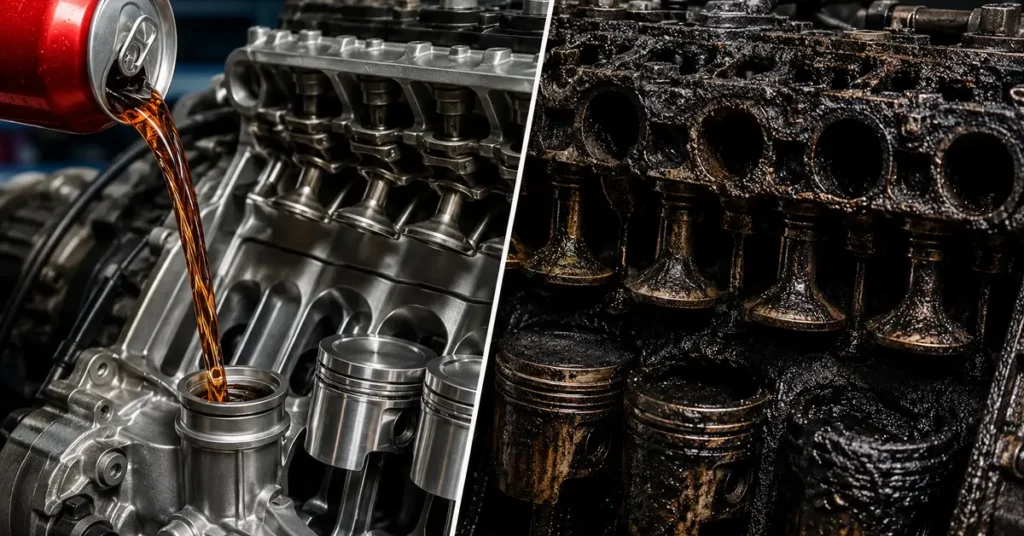
If you have ever heard someone say that Coca Cola can clean almost anything, you may have wondered if it can also help your car. Videos online often show people pouring Coke into different parts of a vehicle, claiming it removes rust, cleans metal, or even improves engine performance. While these demonstrations attract millions of views, they often leave out the facts.
So, what really happens when Coke comes into contact with a car engine? Can you safely use it as a cleaner, or could it cause damage?
In this guide, we will explain the real impact of coke in car engine, separate myths from facts, and help you understand what is actually safe for your vehicle.
Can You Put Coke in a Car Engine?
The simple answer is no.
A car engine is a carefully engineered system that depends on clean oil, proper lubrication, and precision moving parts. Coke is a sugary, acidic soft drink that was never designed for automotive use.
Pouring Coke directly into any part of the engine can create problems instead of solving them. While the phosphoric acid in Coca Cola can dissolve light rust on certain metal surfaces, the sugar and other ingredients leave behind sticky residue that can attract dirt and interfere with engine components.
If your goal is maintenance, always use products designed specifically for automotive engines.
What Happens If You Put Coke in a Car Engine?
Many people search for what happens if you put coke in a car engine, usually after seeing social media experiments. The results depend on where the Coke is poured.
Inside the Engine
If Coke enters the engine through the oil filler or intake, it can contaminate engine oil and create sticky deposits. These deposits reduce lubrication and increase friction between moving parts.
Over time, this may lead to overheating, poor performance, or expensive engine repairs.
On the Engine Surface
Spilling a small amount of Coke on the outside of the engine is less serious, but it should still be cleaned immediately. As it dries, it leaves a sugary film that attracts dust and grime.
The residue can also make future inspections and maintenance more difficult.
Is Coca Cola Bad for Engines?
Yes. In most situations, is coca cola bad for engines is an easy question to answer.
Coca Cola contains ingredients that simply do not belong inside an engine.
These include:
- Sugar that leaves sticky deposits
- Phosphoric acid that can affect certain materials
- Carbonated water that introduces unnecessary moisture
- Flavoring ingredients that provide no cleaning benefit
Modern engines are built with tight tolerances. Even small amounts of contamination can affect performance over time.
Can You Clean a Car Engine With Coca Cola?
Some people believe you can clean car engine with coca cola because the drink removes rust from coins, tools, and other metal objects.
This idea comes from the phosphoric acid found in Coke. While the acid can help loosen light rust under controlled conditions, an engine is much more complex than a rusty wrench.
A car engine contains electrical connectors, rubber seals, plastic covers, sensors, and delicate components that should never be exposed to sugary soft drinks.
Professional engine cleaners are formulated to remove grease and dirt without leaving residue or damaging sensitive materials.
Why Do People Think Coke Cleans Engines?
The myth started because Coca Cola has mild acidic properties.
People discovered that it could remove:
- Light rust
- Mineral deposits
- Surface stains
- Oxidation on some metals
This led many to assume it would work equally well inside a car engine.
The reality is very different. Cleaning a rusty tool is not the same as cleaning a modern engine with electronic systems, seals, and lubrication channels.
What Happens if Coke Gets Into the Fuel Tank?
Although uncommon, some people accidentally pour the wrong liquid into the fuel tank.
A small amount of Coke can contaminate the fuel system. Since sugar does not dissolve in gasoline, it may clog fuel filters or injectors if enough enters the system.
If this happens, avoid starting the vehicle. Having the fuel system inspected as soon as possible can prevent more serious damage.
Better Ways to Clean Your Engine
Instead of experimenting with soft drinks, choose proven maintenance methods.
Safe options include:
- Automotive engine degreasers
- Engine bay cleaning sprays
- Soft brushes
- Microfiber towels
- Low pressure water when recommended by the manufacturer
These products are specifically designed to remove grease and dirt without harming engine components.
Common Myths About Coke and Car Engines
Myth: Coke improves engine performance.
False. It provides no mechanical benefit.
Myth: Coke removes carbon buildup.
False. Carbon deposits inside an engine require professional cleaning methods.
Myth: Coke is cheaper than engine cleaners.
While a bottle of Coke costs less, repairing damage caused by improper cleaning can cost hundreds or even thousands of dollars.
Myth: Mechanics use Coke to clean engines.
Professional repair shops use specialized automotive cleaning products, not soft drinks.
Final Thoughts
The internet is full of surprising car maintenance hacks, but not all of them are worth trying. Using coke in car engine is one of those ideas that sounds interesting but offers little real benefit.
While Coca Cola can remove light rust from certain metal objects, it is not an engine cleaner. Its sugar and acidic ingredients can leave harmful residue, contaminate important components, and create unnecessary repair costs.
If you want your vehicle to stay reliable, stick with products designed specifically for automotive maintenance. A proper engine cleaner will always be safer and far more effective than a bottle of soda.
At Autoyologist, we believe smart maintenance starts with accurate information. Following trusted repair practices will help your engine last longer and perform at its best.
Popular Categories
Latest Article
June 29, 2026

June 29, 2026

June 17, 2026

June 17, 2026
Frequently Asked Questions
Can Coke damage engine parts?
Yes. The sugar and acidic ingredients can leave residue and contaminate engine components if poured inside the engine.
Can I clean my engine bay with Coca Cola?
It is not recommended. Automotive engine cleaners are much safer and more effective.
Does Coke remove rust from metal?
It can help remove light surface rust on some metal objects because of its phosphoric acid content. However, that does not make it suitable for engine cleaning.
What should I do if I accidentally poured Coke into my engine?
Do not start the engine. Have the vehicle inspected by a qualified mechanic as soon as possible to prevent further damage.

A dedicated platform for car lovers, offering honest reviews, guides, and updates from the automotive world.