

Engine oil leaks are one of those problems that car owners often ignore until they become serious. A small drip might not seem like a big deal at first, but over time it can lead to engine damage, poor performance, and expensive repairs. Understanding how to spot and fix engine oil leaks early can save both money and stress.
This guide walks you through the signs, causes, detection methods, and practical steps to fix oil leaks in cars.
Why Engine Oil Leaks Matter
Engine oil plays a critical role in keeping your engine running smoothly. It lubricates moving parts, reduces friction, and prevents overheating. When oil starts leaking, the engine loses that protection. Even a minor leak can gradually lower oil levels and increase wear on components.
Ignoring engine oil leaks can lead to serious problems such as overheating, engine seizure, or complete failure. That is why early detection and timely repair are essential.
Common Signs of Oil Leaks in Engines
Before you fix anything, you need to recognize the warning signs. Most drivers overlook early symptoms, which leads to costly repairs later.
1. Oil spots under your car
If you notice dark brown or black spots where your car is parked, it is often a clear sign of engine oil leaks.
2. Burning oil smell
Oil leaking onto hot engine parts produces a strong burning smell. This is one of the most noticeable signs of oil leaks in engines.
3. Low oil levels
If you are topping up oil more often than usual, there may be a leak somewhere in the system.
4. Smoke from the engine
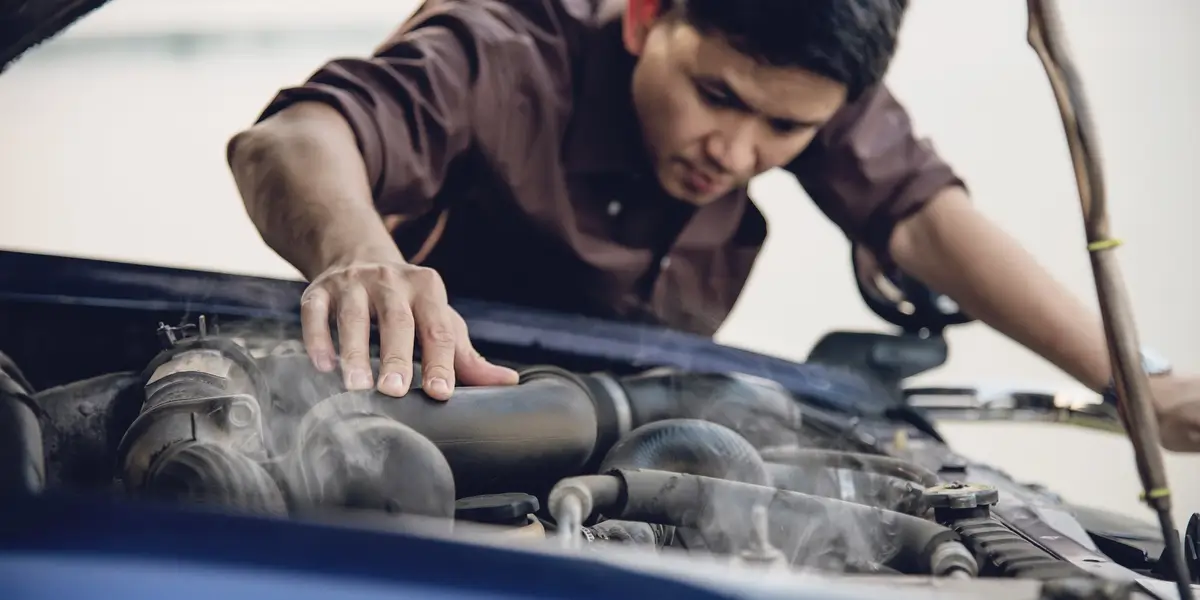
Oil dripping onto hot surfaces can create smoke. This usually appears from under the hood.
5. Dirty engine surface
A greasy or wet engine surface often points toward ongoing engine oil leaks.
Common Oil Leak Sources
To fix the issue properly, you need to know where leaks usually come from. Some areas are more prone to failure than others.
Valve cover gasket
This sits on top of the engine and seals the valve cover. Over time, it can crack or wear out.
Oil pan gasket
Located at the bottom of the engine, this gasket can leak due to damage or loose bolts.
Oil filter
A poorly installed or damaged oil filter can cause immediate engine oil leaks.
Crankshaft seals
These seals prevent oil from escaping around rotating parts. When worn out, they become a common oil leak source.
Timing cover gasket
This gasket seals the timing components. If it fails, oil starts leaking from the front of the engine.
Understanding these common oil leak sources helps you narrow down the problem faster.
Oil Leak Detection Methods
Finding the exact source of a leak can be tricky, especially if the engine is dirty. Here are some effective oil leak detection methods.
Visual inspection
Start by checking the engine for wet or oily areas. Use a flashlight for better visibility.
Clean the engine
A clean engine makes it easier to spot fresh leaks. You can use a degreaser to remove old oil buildup.
Use UV dye
Adding UV dye to engine oil helps identify leaks. Under a UV light, the leaking oil becomes visible.
Check after driving
Run the engine and then inspect it again. Heat and pressure can reveal leaks that are not visible when the engine is cold.
These oil leak detection methods make it easier to pinpoint the exact issue.
How to Fix Oil Leaks in Cars
Once you have identified the source, the next step is repair. Some fixes are simple, while others may require professional help.
Replace worn gaskets
Most engine oil leaks are caused by old or damaged gaskets. Replacing them is often the most effective solution.
Tighten loose components
Sometimes, bolts or filters are not properly secured. Tightening them can stop minor leaks.
Replace seals
Worn seals should be replaced to prevent further leakage.
Fix or replace oil filter
If the oil filter is the problem, replacing it usually solves the issue quickly.
Use sealants carefully
Sealants can provide a temporary fix, but they are not always a long term solution.
Knowing how to fix oil leaks in cars helps you take quick action before the problem worsens.
Oil Leak Repair Cost
One of the biggest concerns for drivers is the oil leak repair cost. The price depends on the source and severity of the leak.
- Minor fixes like tightening bolts or replacing an oil filter can cost very little
- Gasket replacement may cost a moderate amount depending on labor
- Seal replacement can be more expensive due to the complexity of the job
In general, oil leak repair cost increases if the issue is ignored. Early detection always saves money.
Can You Drive With Engine Oil Leaks
Driving with engine oil leaks is risky. While a small leak may not cause immediate damage, it can quickly turn into a serious problem.
Low oil levels lead to overheating and increased wear. In worst cases, it can cause engine failure. It is always better to fix the issue as soon as possible.
Preventing Engine Oil Leaks
Prevention is always better than repair. Taking a few simple steps can help you avoid engine oil leaks.
Regular maintenance
Change your oil and filters on time. Fresh oil keeps seals and gaskets in good condition.
Inspect your engine
Check for signs of oil leaks in engines regularly. Early detection makes a big difference.
Use quality parts
Cheap filters and gaskets are more likely to fail. Invest in reliable components.
Avoid overfilling oil
Too much oil increases pressure inside the engine, which can lead to leaks.
When to See a Mechanic
Not all engine oil leaks can be fixed at home. Some situations require professional help.
- If the leak source is hard to identify
- If multiple leaks are present
- If the repair involves major engine components
- If the oil leak repair cost seems too high for a guess
A skilled mechanic can diagnose the problem accurately and fix it properly.
Why Engine Oil Leaks Should Never Be Ignored
Ignoring engine oil leaks can lead to serious consequences. Reduced lubrication damages engine parts. Overheating becomes more likely. Fuel efficiency drops, and performance suffers.
In extreme cases, a small leak can turn into a complete engine breakdown. That is why it is important to act quickly and responsibly.
Final Thoughts
Engine oil leaks are common, but they are also manageable if you stay alert. By understanding the signs of oil leaks in engines, learning effective oil leak detection methods, and knowing how to fix oil leaks in cars, you can protect your vehicle from major damage.
Keep an eye on your engine, perform regular maintenance, and do not ignore early warning signs. Taking action today can save you from expensive repairs tomorrow. Autoloyogist is here to help you stay informed and make smarter decisions about your vehicle.



FAQs About Engine Oil Leaks