Car Mileage Tips
The Complete Guide to Honda Civic Fuel Capacity and Tank Size
Share this :
The Complete Guide to Honda Civic Fuel Capacity and Tank Size
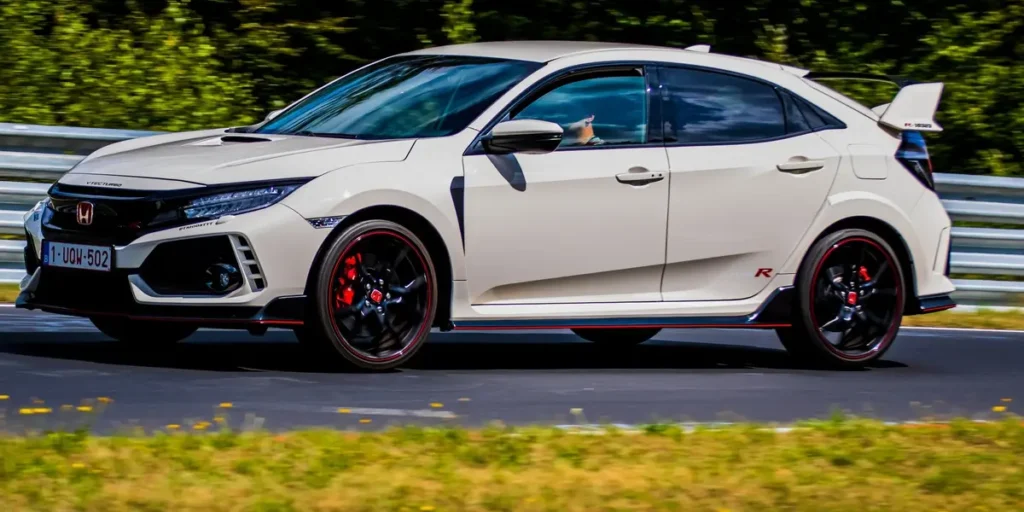
The Honda Civic has remained one of the most trusted compact cars in the world for decades. Drivers love it for its comfort, reliability, fuel economy, and practical design. One of the most important details many buyers and owners search for is Honda Honda Civic Fuel Capacity because it directly affects driving range, fuel efficiency, and travel convenience.
Whether you own a sedan, hatchback, or sport trim, understanding your Civic’s fuel tank size helps you plan long drives, estimate fuel costs, and improve fuel management.
In this complete guide, you will learn everything about Honda Civic fuel capacity, including tank sizes by model year, fuel efficiency, driving range, fuel type recommendations, and tips to maximize mileage.
Honda Civic Fuel Capacity Overview
Most modern Honda Civic models come with a fuel tank capacity ranging between 12.4 and 12.8 gallons depending on the trim and generation.
Here is a quick overview:
| Honda Civic Model | Fuel Tank Capacity |
|---|---|
Honda Civic Sedan | 12.4 gallons |
| Honda Civic Hatchback | 12.4 gallons |
| Honda Civic Si | 12.4 gallons |
| Honda Civic Type R | 12.4 gallons |
| Older Civic Models | 11.9 to 13.2 gallons |
Although the difference may seem small, slight variations can impact total driving range.
Fuel Tank Capacity by Honda Civic Generation
10th Generation Honda Civic (2016 to 2021)
The tenth generation Civic became extremely popular because of its sporty styling and turbocharged engines.
Fuel capacity for most trims:
12.4 gallons
This generation included:
- LX
- EX
- Touring
- Sport
- Si
- Hatchback variants
Despite the same tank size across most trims, fuel economy varied depending on engine type and transmission.
11th Generation Honda Civic (2022 to Present)
The latest Civic generation continues using a similar fuel tank size:
12.4 gallons
Honda focused more on improving fuel efficiency rather than increasing tank size. The modern Civic offers smoother performance and better mileage, making the existing tank capacity sufficient for long driving distances.
Honda Civic Fuel Efficiency
Fuel capacity alone does not determine range. Fuel economy plays a major role too.
Here are estimated MPG ratings for modern Civic models:
| Honda Civic Trim | Estimated MPG |
|---|---|
| Civic LX | 31 city / 40 highway |
| Civic EX | 33 city / 42 highway |
| Civic Sport | 30 city / 37 highway |
| Civic Touring | 31 city / 38 highway |
| Civic Si | 27 city / 37 highway |
| Civic Type R | 22 city / 28 highway |
These numbers may vary based on:
- Driving habits
- Traffic conditions
- Tire pressure
- Weather
- Road quality
Estimated Driving Range of the Honda Civic
The combination of excellent fuel economy and moderate tank size gives the Civic an impressive driving range.
You can estimate the range using this formula:
Driving Range=Fuel Capacity×MPG\text{Driving Range}=\text{Fuel Capacity}\times\text{MPG}Driving Range=Fuel Capacity×MPG
For example:
12.4×40=496 miles12.4\times40=496\ \text{miles}12.4×40=496 miles
That means some Honda Civic trims can travel nearly 500 miles on a full tank under ideal highway conditions.
This makes the Civic an excellent vehicle for:
- Daily commuting
- Long distance travel
- Student transportation
- Family use
- Rideshare driving
Honda Civic Fuel Type Recommendations
Most Honda Civic trims use regular unleaded gasoline with an 87 octane rating.
However, performance oriented trims may recommend premium fuel.
Regular Fuel Models
- Civic LX
- Civic EX
- Civic Sport
- Civic Touring
Premium Fuel Recommended
- Civic Si
- Civic Type R
Using the recommended fuel type helps:
- Improve engine performance
- Maintain fuel efficiency
- Reduce engine knocking
- Protect long term engine health
Why Fuel Capacity Matters in the Honda Civic
Fuel capacity is the total amount of fuel the tank can safely hold. While fuel efficiency tells you how far the car travels per gallon, fuel capacity determines how long you can drive before refueling.
A larger fuel tank offers:
- Longer driving range
- Fewer fuel station stops
- Better convenience for road trips
- Improved travel planning
For Honda Civic owners, the balance between fuel efficiency and tank size is one of the reasons the vehicle remains highly practical for daily use.
How to Check Your Honda Civic Fuel Capacity
If you are unsure about your Civic’s exact tank size, there are several easy ways to confirm it.
Check the Owner’s Manual
The official manual provides exact fuel specifications for your model and trim.
Look Inside the Fuel Door
Many Honda models include fuel type recommendations near the fuel cap.
Search by VIN
You can identify exact factory specifications using your vehicle identification number.
Visit Honda’s Official Website
How Many Liters Does the Honda Civic Fuel Tank Hold?
To answer the most searched version of this question directly: the Honda Civic fuel tank capacity is 46.9 liters in most modern variants. That covers the 2016 to present range, which is what the majority of Civic owners are driving today.
If you have an older Civic from the early 2000s or the 8th generation (2006 to 2011), tank capacity was around 50 liters in some markets and slightly lower in others depending on the trim and region.
Honda Civic Fuel Economy: What Can You Expect Per Tank?
Tank size is only one part of the picture. What really determines how far you go is the fuel average, and the Civic does pretty well here.
For the standard 1.5L turbocharged engine found in the 10th and 11th generation Civics, Honda officially rates fuel economy at around 13 to 15 km per liter under combined city and highway conditions. In real world driving in cities like Lahore or Karachi, most owners report somewhere between 10 to 13 km per liter depending on traffic and driving habits.
Here is what that looks like in terms of range per full tank:
On a 46.9 liter tank with a conservative average of 11 km per liter, you are looking at roughly 515 km per tank. Push the fuel average to 14 km per liter on a highway drive, and you could see close to 660 km before needing to stop. That is a solid range for any daily driver.
The 2.0L naturally aspirated engine found in the LX trim in some markets is slightly less efficient at around 12 to 13 km per liter in mixed driving.
Civic Type R and Si Fuel Tank and Economy
The Civic Type R (FK8 and FL5) uses the same 46.9 liter tank but the fuel economy is significantly lower given the 2.0L turbocharged engine tuned for 315 to 330 horsepower. Real world economy on the Type R typically sits between 8 to 11 km per liter, giving you a range of around 375 to 515 km depending on how enthusiastically you drive it.
The Civic Si sits in the middle. It uses a 1.5L turbo engine like the standard Civic but with a bump in output. Fuel economy is slightly lower than the base model but better than the Type R, coming in around 11 to 13 km per liter in mixed driving.
Fuel Tank Capacity Honda Civic: A Quick Reference
To make this easy to bookmark:
The 11th generation Civic (2022 and newer) has a 46.9 liter fuel tank. The 10th generation Civic (2016 to 2021) also has a 46.9 liter tank. The 9th generation Civic (2012 to 2015) had a 45.1 liter tank. The 8th generation Civic (2006 to 2011) varied between 45 and 50 liters depending on region and trim.
Factors That Affect Honda Civic Fuel Economy
Nobody gets the ideal fuel average every time, and that is normal. Here are the things that eat into your range more than most people realise.
Tyre pressure is one of the biggest and most overlooked factors. Under inflated tyres increase rolling resistance, which means the engine works harder for the same output. Honda recommends around 32 to 35 PSI for the Civic depending on the trim. Check your tyres at least once a month.
Air conditioning load in hot climates like Pakistan can reduce fuel efficiency by 8 to 10 percent on its own. If conditions allow, use the fresh air setting or roll down windows at lower speeds.
Driving speed has a serious impact at highway speeds. Fuel consumption rises sharply above 100 to 110 km/h. If you are cruising at 130 km/h regularly, your tank range will be noticeably shorter than what the official numbers suggest.
Engine warm up and short trips also waste fuel. Cold engines are less efficient for the first few kilometres, so if most of your trips are under 5 km, your average will suffer compared to someone doing longer runs.
Gear selection in manual variants matters as well. Shifting up early and keeping revs below 2500 RPM in normal driving makes a real difference over time, and it is one of those simple car mileage habits that costs you nothing to build.
Tips to Get More Out of Every Tank
The Civic is already one of the more fuel efficient cars in its class, but there are a few things that genuinely help stretch the range.
Keep your tire pressure at the recommended level. The Civic is typically rated for around 32 to 35 PSI, and running low tires can quietly drain your economy by a noticeable margin. Use the recommended 91 octane or higher fuel if your trim has the turbocharged engine, since running lower octane fuel consistently can affect engine efficiency over time. Avoid letting the car idle for long stretches, which is a common habit in warmer climates but genuinely wastes fuel without moving you anywhere.
Also, if you mostly drive in the city, do not be surprised if your real world numbers are a few km per liter below what Honda advertises. Those official ratings are tested under controlled conditions, and stop and go traffic is a different world entirely.
A Quick Comparison Across Civic Generations
Generation | Tank Capacity | Typical City Range | Typical Highway Range |
8th Gen (2006 to 2011) | ~50 litres | 450 to 550 km | 600 to 700 km |
9th Gen (2012 to 2015) | ~50 litres | 460 to 560 km | 620 to 710 km |
10th Gen (2016 to 2021) | 47 litres | 500 to 570 km | 650 to 720 km |
11th Gen (2022 onwards) | 47 litres | 510 to 580 km | 660 to 720 km |
Final Thoughts
The Honda Civic fuel tank size sits at a practical 46.9 liters for most current generation models, which combined with the car’s solid fuel economy gives you a comfortable range for both daily use and longer trips. Whether you are calculating how far you can drive before your next stop or just trying to figure out what to budget for fuel costs, the Civic is genuinely one of the more economical choices in the sedan segment. For more detailed car guides like this, Autoyologist has you covered.
It is not the biggest tank in the class, but paired with the engine efficiency Honda has built into the Civic over the years, it covers ground well.
Popular Categories
Latest Article

June 29, 2026
Frequently Asked Questions
Is the Honda CR-V better than the Toyota RAV4 for daily commuting?
The Honda Civic fuel tank capacity is 46.9 liters (approximately 12.4 US gallons) in the 10th and 11th generation models (2016 onward). Older generations had slightly different tank sizes, with the 9th gen sitting at around 45.1 liters.
How many km can a Honda Civic run on a full tank?
On a full 46.9 liter tank, a Honda Civic can cover between 515 km and 660 km depending on driving conditions. City driving typically gets you around 515 km while a steady highway drive can push that closer to 650 to 660 km.
What fuel type does a Honda Civic use and does it affect mileage?
Most modern Civics with the 1.5L turbo engine are designed for 91 octane or higher (RON rating). Using the correct octane rating helps maintain optimal engine performance and fuel economy. Lower octane fuel used consistently can gradually reduce efficiency.
Is the Honda Civic fuel tank size the same in all trims including the Type R and Si?
Yes, the Civic Type R and Civic Si share the same 46.9 liter tank as the standard sedan in their generation. However, fuel economy differs significantly. The Type R returns 8 to 11 km per liter in real world driving, while the standard Civic manages 11 to 15 km per liter.
How often should I fill up my Honda Civic?
That depends on how much you drive. If you average 60 to 70 km per day in city traffic, a full tank will typically last you around 7 to 8 days. On longer highway routes, the same tank can last considerably longer. Most Civic owners find they stop for fuel once a week or less with normal daily use

A dedicated platform for car lovers, offering honest reviews, guides, and updates from the automotive world.