

You turn the key or press the button, the engine wakes up, and you drive off without a second thought. Most of us never think about what happens in that one second. But that small moment depends on a chain of parts working together, and when one of them gets tired, the whole morning falls apart.
The car ignition system is the part that starts all of this. It takes power from your battery and turns it into the spark that gets your engine running. Look after it and your car starts the way it should, every time. Ignore it and you get those frustrating mornings where the engine cranks, hesitates, and refuses to cooperate.
At Autoyologist we get a lot of questions about starting trouble, so here is a plain guide to keeping this system healthy.
What the Ignition System Actually Does
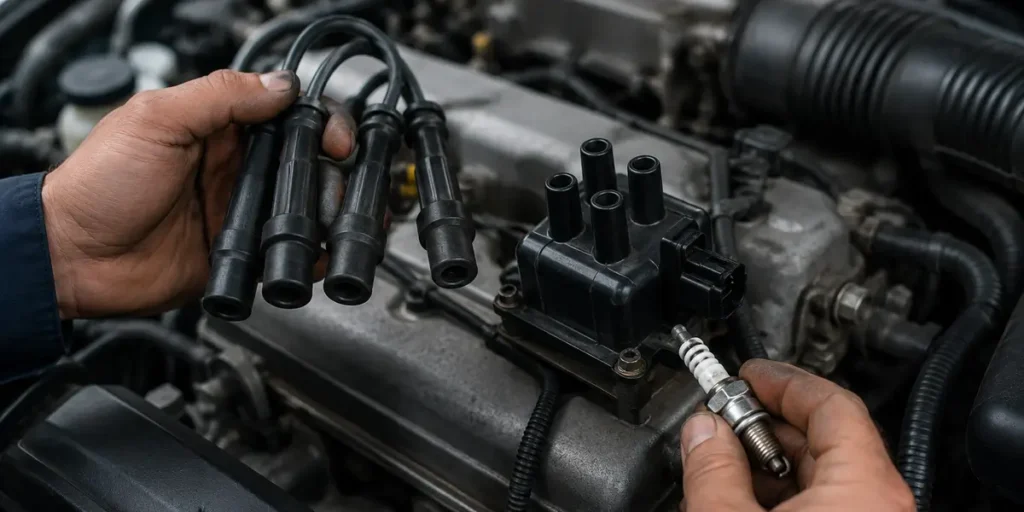
Think of it as the spark of life for your engine. When you start the car, the battery sends power through a few key parts. The ignition coil boosts that power. The spark plugs use it to ignite the fuel inside your engine. The ignition switch is the part your key or button talks to, telling everything to begin.
When all of these work in harmony, your car starts smoothly and runs without a stumble. When one part starts to fail, you usually feel it before you understand it. The car just feels off.
Warning Signs You Should Never Ignore
Your car is not shy about telling you something is wrong. The trick is knowing what to listen for.
A slow or rough start is the most common clue. If the engine takes longer than usual to catch, or it cranks a few times before firing, something in the starting chain is struggling.
A clicking sound when you turn the key often points back to the battery or the connections feeding the system. Stalling at red lights or random hesitation while driving can mean the spark is not arriving on time.
Then there are ignition switch issues, which can be sneaky. Maybe the key feels stiff when you turn it. Maybe your dashboard lights flicker, or the car cuts out for no clear reason. A worn switch can stop power from reaching the rest of the system, and people often blame the battery when the real problem sits behind the steering column.
If you notice any of this, do not wait for the car to fully give up. Small problems here grow fast.
A Simple Routine for Ignition System Maintenance
Good ignition system maintenance is not complicated. You do not need a workshop full of tools. You just need to pay attention and handle a few things before they become expensive.
Keep an Eye on Your Spark Plugs
Spark plugs do the actual work of lighting the fuel, and they wear down over time. Old plugs cause weak starts, poor fuel economy, and that rough idle feeling where the car shakes a little at a stop.
Most cars need fresh plugs somewhere between 30,000 and 100,000 miles, depending on the type fitted. Check your owner manual for the exact figure. When you pull an old plug out, the tip tells a story. A dry tan color is healthy. Black, oily, or worn down means it is time for a change.
Look After the Ignition Coil
The coil takes the modest power from your battery and turns it into the high voltage your plugs need. When a coil starts to fail, you feel misfires, jerky acceleration, and sometimes a check engine light.
You cannot really service a coil the way you can clean a plug, but you can keep it dry and free of oil and dirt. If one fails, replace it promptly, because a struggling coil puts extra strain on everything around it.
Mind the Battery and the Connections
A weak battery makes the whole system look guilty. Before you panic about anything expensive, check the basics. Clean any white or crusty buildup off the terminals. Make sure the cables are tight and not corroded.
A loose or dirty connection can mimic a serious fault while costing nothing to fix. This is the first thing we check at Autoyologist whenever someone walks in with a no start complaint, and it solves the problem more often than people expect.
Watch the Ignition Switch
The switch gets used every single day, so it slowly wears with all that turning and pressing. If your key sticks, or you have to wiggle it to get the car going, treat that as an early warning rather than a quirk.
Catching ignition switch issues early is far cheaper than dealing with a car that strands you in a parking lot. A switch that fully dies can leave you completely stuck, so listen to those small hints.
Pay Attention to Timing
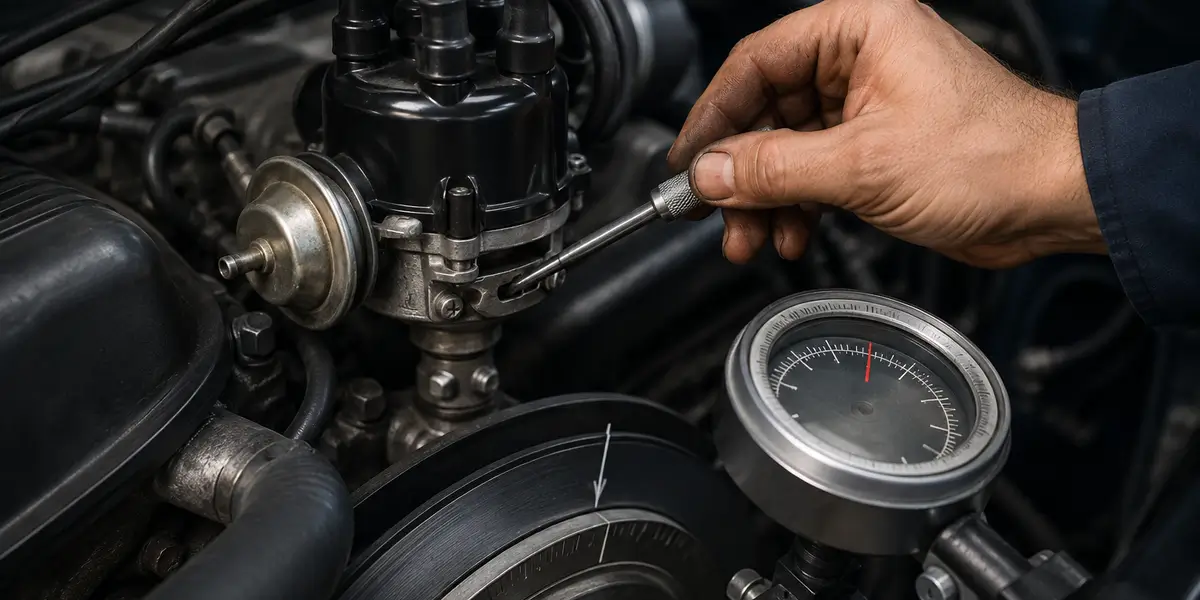
Ignition timing is about when the spark fires inside the engine. If it fires too early or too late, you lose power and burn more fuel than you should. On older vehicles, an ignition timing adjustment was a normal part of a tune up, done by hand with a timing light.
Modern cars handle this with sensors and a computer, so a proper ignition timing adjustment usually happens through diagnostics rather than a manual tweak. Either way, if your car feels gutless or pings strangely under load, timing is worth checking. This is one job where a trained hand pays for itself.
Small Habits That Make a Big Difference
You do not have to be a mechanic to protect your car ignition system. A few everyday habits go a long way.
Do not crank the engine for long stretches if it refuses to start. Hold the key too long and you can overheat the starter and drain the battery. Try short attempts with a pause between them instead.
Keep your engine bay reasonably clean and dry, since moisture and grime love to creep into electrical parts. And do not ignore that first odd start. Cars rarely break suddenly. They warn you for weeks, and most people only listen once they are late for work.
When to Hand It to a Professional
Some of this you can manage at home with a little patience. Swapping spark plugs and cleaning battery terminals are within reach for most owners. But once you are dealing with deep electrical faults, a failing switch, or timing trouble, a proper diagnostic check saves you money and guesswork.
A good mechanic can read the car computer and find the exact fault instead of replacing parts one by one and hoping. If you are unsure, that is your cue to book it in.
Final Thoughts
Your ignition system rarely asks for much. A bit of attention, a few timely replacements, and a habit of listening when the car feels strange. Do that and you avoid the worst kind of morning, the one where you are already late and the engine just will not turn over.
For more honest guides on keeping your car healthy without the jargon, Autoyologist has you covered.




Frequently Asked Questions