
CAr Mileage Tips
How to Prevent Engine Overheating: Common Causes and Solutions
Share this :
How to Prevent Engine Overheating: Common Causes and Solutions
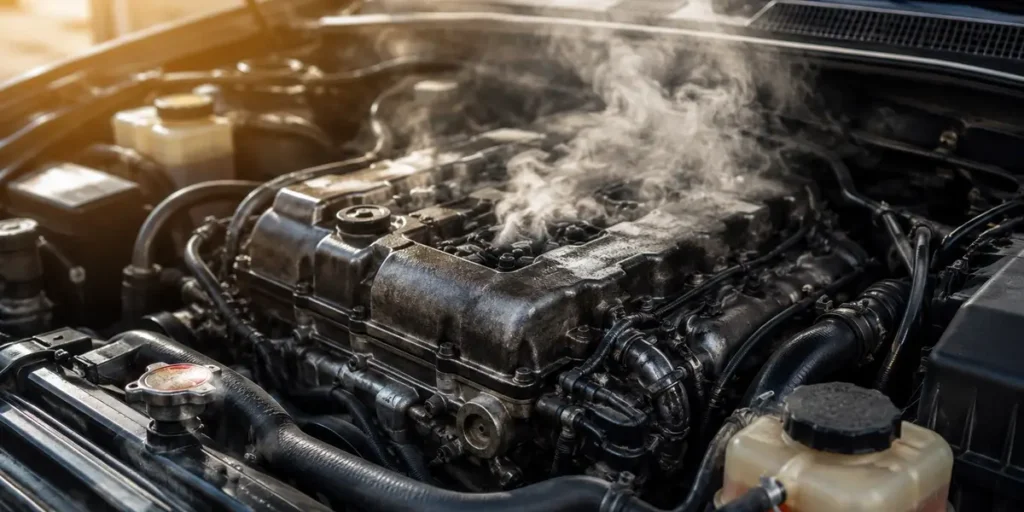
A car engine is designed to operate within a specific temperature range. When that temperature rises beyond normal levels, serious problems can develop quickly. What starts as a small cooling issue can lead to expensive repairs, engine damage, and unexpected breakdowns.
Car Engine Overheating is one of the most common issues drivers face, especially during hot weather, long road trips, or when a vehicle has not been properly maintained. The good news is that most overheating problems can be prevented with regular inspections and timely maintenance.
In this guide, we will explore the cause of engine overheating, warning signs to watch for, and practical solutions that can help keep your vehicle running safely and efficiently.
What Is Car Engine Overheating?
Car Engine Overheating occurs when the engine temperature rises beyond its normal operating range. Modern vehicles are equipped with cooling systems that regulate engine temperature. When one or more components fail, excess heat builds up inside the engine.
If ignored, an overheating engine issue can damage critical parts such as the cylinder head, head gasket, pistons, and engine block. In severe cases, it may even result in complete engine failure.
Why Is My Engine Overheating?
Many drivers ask, “Why is my engine overheating?” The answer can vary depending on the vehicle and its condition. However, most overheating car engine causes are linked to failures within the engine cooling system.
Below are the most common reasons.
Low Coolant Levels
Coolant absorbs heat from the engine and transfers it to the radiator, where it is released into the air. If coolant levels drop too low, the cooling system cannot perform its job effectively.
Low coolant overheating is one of the leading causes of engine temperature problems. Coolant can decrease naturally over time, but sudden loss often points to a leak.
Common coolant leak symptoms include:
- Sweet smell from the engine bay
- Visible puddles under the vehicle
- Low coolant warning light
- Steam coming from the hood
Checking coolant levels regularly can help prevent major issues.
Radiator Problems
The radiator plays a vital role in cooling the engine. When it becomes clogged, damaged, or blocked by debris, heat cannot escape efficiently.
Radiator overheating problems often occur because of:
- Corrosion inside the radiator
- Dirt and debris blocking airflow
- Damaged radiator fins
- Internal coolant restrictions
Proper radiator maintenance tips include cleaning debris from the front grille and inspecting the radiator for leaks or damage.
Thermostat Failure
The thermostat controls coolant flow between the engine and radiator. When it becomes stuck in the closed position, coolant cannot circulate properly.
Common thermostat failure symptoms include:
- Rapid temperature increase
- Heater not working correctly
- Coolant boiling in the reservoir
- Fluctuating temperature gauge readings
Replacing a faulty thermostat is usually an affordable repair that can prevent more expensive damage.
Water Pump Failure
The water pump is responsible for circulating coolant through the engine cooling system. Without proper circulation, heat quickly builds up inside the engine.
Typical water pump failure signs include:
- Coolant leaks near the pump
- Grinding or whining noises
- Engine running hotter than normal
- Steam from the engine compartment
A failing water pump should be replaced immediately to avoid serious overheating issues.
Cooling Fan Malfunction
Cooling fans help pull air through the radiator, especially when the vehicle is stopped or moving slowly.
If the fan motor, relay, or electrical system fails, the engine may overheat while sitting in traffic or idling.
This is one of the most common reasons for engine overheating at idle.
Damaged Hoses and Belts
Cooling system hoses carry coolant throughout the engine. Over time, they can crack, swell, or leak.
Likewise, worn belts may affect water pump operation. Regular inspections can identify these issues before they lead to cooling system problems.
Overheating Engine Symptoms You Should Never Ignore
Recognizing overheating engine warning signs early can save you from expensive repairs.
Here are the most common overheating engine symptoms:
Temperature Gauge Reading Too High
The dashboard temperature gauge is usually the first indicator. If the needle moves toward the red zone, the engine temperature is too high.
Steam Coming From the Hood
Steam is often a sign that coolant is boiling due to excessive heat.
Burning Smell
An overheating engine may produce a strong burning odor caused by leaking fluids or overheated components.
Loss of Engine Performance
Excessive heat can reduce engine efficiency and power output.
Warning Lights
Many modern vehicles display a temperature warning light when overheating occurs.
Never ignore these signs. Acting quickly can prevent severe engine damage.
What to Do If Your Car Overheats While Driving
If your car overheating while driving becomes apparent, follow these steps:
Turn Off the Air Conditioning
The air conditioning system places additional load on the engine. Turning it off can help reduce stress.
Turn On the Heater
Although uncomfortable, turning on the heater helps draw heat away from the engine.
Pull Over Safely
Find a safe location and stop the vehicle as soon as possible.
Shut Off the Engine
Turning off the engine prevents further heat buildup.
Allow the Engine to Cool
Wait at least 20 to 30 minutes before opening the hood.
Check Coolant Levels
Once the engine has cooled, inspect coolant levels and look for visible leaks.
Never remove the radiator cap while the engine is hot.
Engine Overheating Solutions
The best engine overheating solutions depend on the underlying cause.
Repair Coolant Leaks
Fixing leaks restores proper coolant levels and prevents future overheating.
Replace Faulty Thermostats
A new thermostat ensures proper coolant circulation.
Install a New Water Pump
Replacing a damaged pump restores cooling system performance.
Service the Radiator
Cleaning or replacing a clogged radiator can significantly improve heat dissipation.
Repair Cooling Fans
Faulty fan motors, relays, or sensors should be diagnosed and repaired promptly.
Flush the Cooling System
Old coolant can become contaminated and lose effectiveness. A cooling system flush removes buildup and improves circulation.
How to Prevent Engine Overheating
Learning how to prevent engine overheating is far easier than dealing with costly repairs later.
Follow these simple maintenance practices:
Check Coolant Regularly
Inspect coolant levels every few weeks and before long trips.
Follow Recommended Maintenance Schedules
Routine maintenance helps identify developing problems before they become serious.
Inspect Hoses and Belts
Look for cracks, leaks, and signs of wear.
Keep the Radiator Clean
Remove dirt, leaves, and debris that may restrict airflow.
Replace Coolant on Schedule
Fresh coolant provides better heat protection and corrosion resistance.
Watch the Temperature Gauge
Pay attention to dashboard readings while driving.
Address Warning Signs Immediately
Small cooling system issues often become major repairs when ignored.
Final Thoughts
Car Engine Overheating is a problem that should never be ignored. Whether the issue is caused by low coolant levels, radiator overheating problems, thermostat failure symptoms, or water pump failure signs, early diagnosis can save both time and money.
The key to avoiding an overheating engine issue is regular maintenance and paying attention to warning signs. By checking coolant levels, inspecting cooling system components, and following basic radiator maintenance tips, drivers can greatly reduce the risk of costly breakdowns.
At Autoyologist, we believe that understanding your vehicle is the first step toward keeping it reliable. A well maintained cooling system not only prevents overheating but also helps extend the life of your engine for years to come.
Popular Categories
Latest Article



June 29, 2026
Frequently Asked Questions
How often should I service my car ignition system?
There is no single date on the calendar. Spark plugs follow their own mileage schedule, while the coil, switch, and wiring should be inspected during your regular service. A yearly check keeps surprises away.
Can a bad ignition switch drain my battery?
Yes. A faulty switch can leave parts of the system powered even after you turn the car off, slowly flattening the battery overnight.
Is it safe to drive with a misfiring engine?
Not for long. A misfire usually means a spark problem, and driving on it can damage other parts and your fuel system. Get it looked at quickly.
Do I really need to adjust ignition timing on a modern car?
Usually not by hand. Newer cars manage timing automatically, so any ignition timing adjustment is handled through diagnostics rather than a manual tool.

A dedicated platform for car lovers, offering honest reviews, guides, and updates from the automotive world.