
Car Guide
Top 10 Trusted Japan Car Exporters in 2026
Share this :
Top 10 Trusted Japan Car Exporters in 2026
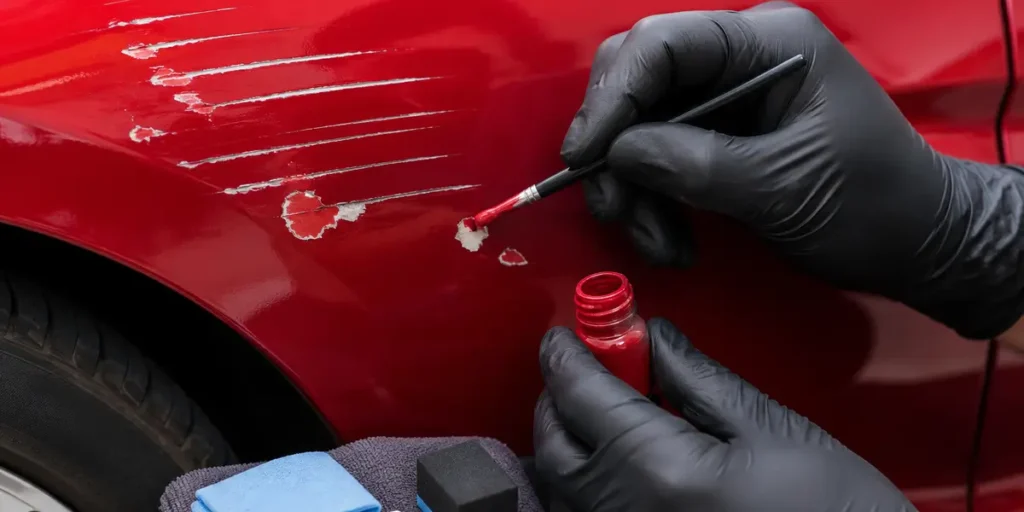
Car paint damage happens to almost every vehicle at some point. A shopping cart in a parking lot, loose gravel on the highway, or even a careless brush against a wall can leave behind scratches and paint chips that ruin your car’s appearance.
The good news is that many minor paint issues can be fixed at home without spending hundreds of dollars at a body shop. With the right tools and a little patience, you can restore your vehicle’s finish and prevent further damage.
In this guide from Autoyologist, you will learn how to perform Car Paint Repair, fix scratches, repair paint chips, and protect your vehicle’s paint from future damage.
Why Car Paint Damage Should Not Be Ignored
Many drivers think small scratches and chips are only cosmetic issues. In reality, damaged paint can expose the metal underneath to moisture and contaminants.
Over time, this exposure may lead to:
- Rust formation
- Paint peeling
- Reduced resale value
- More expensive repairs later
Taking care of scratches and chips early is one of the easiest ways to maintain your vehicle’s appearance and value.
Identifying Different Forms of Paint Damage
Before starting any Automotive Paint Repair, it is important to identify the type of damage.
Clear Coat Scratches
These are the most common scratches and affect only the transparent protective layer on top of the paint.
Signs include:
- Scratch appears white in sunlight
- Paint color remains intact
- Surface feels slightly rough
These are usually the easiest scratches to repair.
Paint Layer Scratches
These scratches penetrate beyond the clear coat and affect the colored paint layer.
Signs include:
- Visible color damage
- Deeper appearance
- More noticeable from a distance
These scratches often require touch up paint.
Deep Scratches
Deep scratches reach the primer or bare metal.
Signs include:
- White, gray, or metallic appearance
- Exposed metal visible
- Higher risk of rust
These repairs require additional preparation and protection.
Paint Chips
Paint chips occur when stones or road debris strike the vehicle.
A proper Car Paint Chip Repair process prevents rust and restores the paint surface.
Tools Needed for DIY Car Paint Repair
Most minor repairs can be completed using affordable supplies.
Common items include:
- Car wash soap
- Microfiber towels
- Sandpaper
- Rubbing compound
- Polishing compound
- Paint touch up kit
- Primer
- Clear coat
- Applicator brushes
Many of these items are considered among the best car paint repair products available for home use.
How to Repair Car Paint Scratches
One of the most searched questions online is: How to repair car paint scratches?
The answer depends on the depth of the scratch.
Step 1: Clean the Damaged Area
Wash the affected area thoroughly.
Remove:
- Dirt
- Wax
- Grease
- Road debris
A clean surface prevents contamination during repair.
Step 2: Determine Scratch Depth
Run your fingernail across the scratch.
If your nail barely catches, the damage is likely limited to the clear coat.
If it catches deeply, the scratch may require touch up paint.
Step 3: Fix Light Scratches
For minor scratches:
- Apply a rubbing compound.
- Use a microfiber cloth.
- Rub gently in circular motions.
- Buff the area until the scratch becomes less visible.
This method works well to fix car paint scratches that only affect the clear coat.
Step 4: Polish the Surface
After using a compound, apply a polishing product.
Polishing restores gloss and blends the repaired section with surrounding paint.
Step 5: Apply Protection
Finish with wax or paint sealant.
This protects the repaired area and improves shine.
How to Repair Car Paint Chips
Learning how to repair car paint chips can save significant money and prevent rust.
Step 1: Clean the Chip
Wash the damaged area and remove debris.
A clean surface helps paint adhere properly.
Step 2: Remove Rust
If rust is present, gently sand the affected area.
Remove all corrosion before proceeding.
Step 3: Apply Primer
If bare metal is exposed, apply a thin coat of primer.
Allow it to dry according to the manufacturer’s instructions.
Step 4: Touch Up Car Paint
Use factory matched paint whenever possible.
Apply thin layers rather than one thick coat.
Allow each layer to dry before applying the next.
This step is essential when you need to touch up car paint professionally.
Step 5: Apply Clear Coat
After the paint cures, add clear coat protection.
This restores gloss and helps blend the repair.
Step 6: Polish the Area
Once fully cured, polish the surface gently to achieve a smooth finish.
This completes the Car paint touch up process.
DIY Car Paint Repair Tips for Better Results
Many people attempt DIY car paint repair but become frustrated with the outcome.
The difference often comes down to preparation and patience.
Keep these tips in mind:
Work in the Shade
Direct sunlight causes paint and clear coat to dry too quickly.
Choose a cool, shaded area whenever possible.
Use Thin Coats
Multiple thin coats produce smoother results than one thick coat.
Match Paint Carefully
Always verify your vehicle’s paint code before purchasing touch up paint.
Allow Proper Drying Time
Rushing the process often leads to uneven repairs.
Practice First
If you are new to paint repair, practice on a hidden area before working on visible panels.
Best Car Paint Repair Products to Consider
Quality products can make a noticeable difference.
Popular options include:
- Touch up paint kits
- Scratch removal compounds
- Paint correction polish
- Clear coat pens
- Paint chip repair kits
- Microfiber applicators
When shopping, choose products designed specifically for your vehicle’s paint type and color.
How to Remove Car Paint Chips Permanently
Many vehicle owners search for ways to remove car paint chips completely.
While no repair can always make damage disappear 100 percent, proper preparation and color matching can make chips nearly invisible.
For the best results:
- Clean thoroughly
- Use primer when necessary
- Apply matching paint
- Finish with clear coat
- Polish after curing
These steps create a durable and long lasting repair.
When Professional Car Scratch Repair Is Necessary
Not every scratch can be fixed at home.
Consider professional Car Scratch Repair when:
- Damage covers a large area
- Multiple panels are affected
- Paint is peeling extensively
- Rust has spread significantly
- The vehicle has premium specialty paint
A professional technician can blend paint more effectively and restore factory appearance.
How to Prevent Future Paint Damage
Prevention is always easier than repair.
Follow these practices to protect your vehicle:
Wash Regularly
Dirt and contaminants can damage paint over time.
Apply Wax
Wax adds a protective barrier against environmental damage.
Maintain Safe Following Distance
This reduces exposure to flying stones and road debris.
Park Carefully
Avoid crowded parking spaces whenever possible.
Use Paint Protection Film
Protective film can reduce the risk of scratches and chips in high impact areas.
Final Thoughts
Small scratches and paint chips may seem harmless at first, but they can quickly become larger problems if ignored. Learning How to Repair Car Paint Scratches and chips allows you to maintain your vehicle’s appearance while avoiding costly repairs down the road.
Whether you need to fix car paint scratches, perform a Car paint touch up, or complete a simple Car Paint Repair, the key is patience, preparation, and using quality materials.
We believe that a little preventive maintenance goes a long way. By addressing paint damage early, you can keep your vehicle looking newer, protect its value, and enjoy a cleaner, more polished ride for years to come.
Popular Categories
Latest Article



June 29, 2026
Frequently Asked Questions
Can I fix car paint scratches myself?
Yes. Many light scratches can be repaired using polishing compounds and touch up paint products.
How long does DIY car paint repair take?
Most repairs take a few hours, although complete curing may require one or two days.
Does touch up paint stop rust?
Yes. Properly applied touch up paint seals exposed metal and helps prevent rust formation.
What is the best method for car paint chip repair?
Cleaning the area, applying primer if needed, adding matching paint, and finishing with clear coat typically provides the best results.
Is DIY car paint repair worth it?
For minor scratches and chips, DIY repairs are often cost effective and can produce excellent results.
Will car paint chips lead to rust?
Yes, paint chips can expose the metal beneath the paint. Moisture and road salt can then cause rust, making it important to repair chips as soon as possible.
How to Change my Photo from Admin Dashboard?
Far far away, behind the word mountains, far from the countries Vokalia and Consonantia, there live the blind texts. Separated they live in Bookmarksgrove right at the coast
What tools do I need for DIY car paint repair?
Common tools include touch up paint, primer, clear coat, sandpaper, microfiber cloths, polishing compound, and masking tape.
What is the difference between a paint scratch and a paint chip?
A scratch is a line or mark caused by friction across the paint surface, while a chip occurs when a small piece of paint is knocked off, exposing the layers underneath.

A dedicated platform for car lovers, offering honest reviews, guides, and updates from the automotive world.