CAr REviews
How to Sell Your Car Privately and Get What It’s Worth
Share this :
How to Sell Your Car Privately and Get What It’s Worth
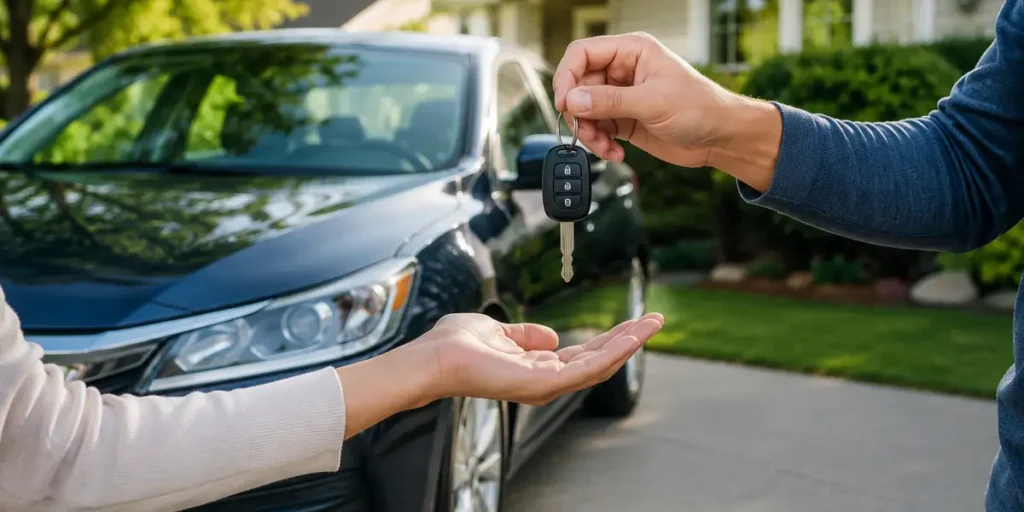
Most people accept less for their car before they realize they have another option. A dealership gives you a trade-in number. It sounds decent at first. Fast process. No hassle. The whole thing can feel done in 20 minutes. Then later, you see that same car sitting on the dealer’s lot for $4,000 more. That stings a little.
Here’s the thing. Selling a used car privately takes more effort, but the financial payoff is usually worth it. Better price. More control. Less pressure. You just need to handle the process carefully because one bad decision can quickly turn a smooth sale into a headache.
This guide walks through the entire process, including pricing, paperwork, listings, buyer screening, safe payment methods, and how to avoid the scams that catch first-time sellers off guard.
What Is the Best Way to Sell Your Car Privately?
The best way to sell your car privately is to price it using real market comparisons, prepare the paperwork early, list it on trusted platforms, screen buyers carefully, meet safely, and transfer ownership only after payment is confirmed.
Sounds simple. But most problems happen when sellers rush one of those steps. Price it wrong? You lose money or scare buyers away. Skip paperwork? DMV problems later. Trust the wrong buyer, and the sale can become risky quickly.
Honestly, this is where preparation matters more than experience. Even first-time sellers can handle a private sale smoothly if they stay organized and don’t panic when buyers start negotiating.
Before You List Anything, Figure Out What Your Car Is Actually Worth
Guessing your car’s value is one of the fastest ways to lose money. Price it too low, and somebody gets a bargain at your expense. Price it too high, and your listing sits untouched while buyers move on to better deals. That’s the part most people miss. The right price is not what you hope the car is worth. It’s what buyers are already paying for similar vehicles nearby.
Compare vehicles by:
- Similar mileage
- Same trim level
- Matching engine and drivetrain
- Similar accident history
- Similar condition
- Local market demand
A clean Honda Civic with 70,000 miles is not competing with one that has 150,000 miles and faded paint. Buyers notice everything.
You might be wondering how much higher you should list the car above your minimum number. Usually, A small buffer often works best. As a general rule, listing around 5–10% above your lowest acceptable price gives room for negotiation without making the price look unrealistic.
Minor cosmetic fixes can help too. A proper wash, paint touch-up, headlight restoration, or interior cleaning often improves buyer confidence immediately. Major repairs are different. Spending $3,000 to fix an aging transmission before selling rarely pays back in full.
Timing matters more than many sellers realize. Spring and early summer usually bring stronger buyer activity because people shop more before vacations, school breaks, and warmer weather.
Smart pricing often separates a fast, profitable sale from a frustrating one.
Documents Needed to Sell a Car Privately Before a Buyer Shows Up
Nothing kills momentum faster than missing paperwork. A serious buyer can show up ready to pay the same day. If your documents are scattered across drawers, glove boxes, and old folders, the process instantly becomes stressful.
At minimum, you should prepare:
- Vehicle title
- Bill of sale
- Release of liability
- Odometer disclosure
- Maintenance records
- Vehicle history report
- Loan payoff documents if financed
The title matters most. Without it, you usually cannot legally transfer ownership.
Maintenance records help more than people realize, too. Oil changes, brake work, tire replacements, and transmission service all build trust. A buyer feels safer spending money on a car with documented care.
Buyers expect used cars to have flaws.
If your car still has a loan, contact the lender early. Ask for payoff instructions and find out how the title transfer works. Some lenders release titles electronically. Others mail physical copies after payoff. Waiting until the last minute creates unnecessary delays.
One important detail many sellers overlook involves odometer disclosure laws. In the United States, requirements vary depending on the state and vehicle age. Under U.S. federal rules, model year 2011 and newer vehicles generally require odometer disclosure for the first 20 years, but sellers should still confirm state DMV requirements before completing the sale.
Keep physical and digital copies of everything. Seriously. One folder can save you days of headaches later.
Overall, organized paperwork makes buyers trust you faster and helps the sale move smoothly.
Write a Listing That Makes Serious Buyers Trust You
A weak listing attracts less serious buyers. That may sound harsh, but it is true.
Short, vague descriptions like “runs great” or “excellent condition” tell buyers almost nothing. Serious shoppers want details because details reduce risk.
A strong listing should include:
- Year, make, and model
- Trim level
- Mileage
- Ownership history
- Accident history
- Service records
- Recent maintenance
- Tire condition
- Warning lights
- Reason for selling
Here’s the thing. Honesty sells cars faster than hype.
If there’s a dent on the rear bumper, mention it. If the check engine light came on last year but was repaired, explain it. Buyers appreciate transparency because most private sellers try to hide problems instead.
Avoid exaggerated phrases unless they are truly accurate:
- “Perfect condition”
- “Flawless”
- “Like new”
- “No issues whatsoever”
Those lines usually backfire.
A good private car sale listing should answer the buyer’s biggest questions before they even ask. Condition. Mileage. Ownership history. Service records. Pricing. Reason for selling. Cover those properly, and you filter out many unserious conversations immediately.
Overall, trust closes private sales faster than aggressive marketing ever will.
How to Handle Buyers, Test Drives, and Safety Without Getting Scammed
This is where private sales can become risky quickly.
Most buyers are normal people. A few are not.
Start screening before you even agree to meet. Serious buyers usually ask detailed questions about mileage, service history, ownership, or condition. Scammers stay vague.
Watch for these red flags:
- Overseas stories
- Overpayment offers
- Pressure to rush
- Requests to ship the car immediately
- Refusal to meet publicly
- Strange payment explanations
Fake cashier’s check and overpayment scams still catch online car sellers. Someone sends a fake check for more than the asking price and asks you to refund the difference. Days later, the bank reverses the check. You may lose the money you sent back.
Then there’s the fake escrow scam. Fake shipping companies. Title-before-payment tricks. Last-minute pressure tactics after test drives.
This is where sellers often get pressured because they just want the sale finished. Meet buyers during daylight hours in public areas. Some police stations offer designated safe exchange zones for transactions like this. That’s probably the smartest option available today.
Before any test drive:
- Verify the driver’s license
- Ride along during the drive
- Set a route beforehand
- Keep the keys until you are seated inside
Never hand over the title early. Ever.
Bank wire transfers are usually the safest option once confirmed properly. Cashier’s checks can work too, but only after verifying them directly with the issuing bank. Personal checks? Bad idea for large transactions.
That’s the part most people miss. A buyer acting friendly does not automatically make the transaction safe. Overall, caution matters more than speed during private sales.
What Is the Safest Way to Take Payment for a Private Car Sale?
The safest way to take payment for a private car sale is to complete the transaction at a bank and confirm the funds before signing over the title or handing over the keys.
Simple. Clean. Safe. Meeting at a bank can protect both sides because funds, cashier’s checks, or withdrawals may be verified more safely than in a parking lot. No guessing. No waiting days, hoping a payment clears. Personal checks should almost always be avoided for vehicle sales. Too much risk.
They may work for small transfers, but a high-value vehicle sale is different. Reversals, scams, and account limits create unnecessary complications.
You might be wondering whether cash is safest. Honestly, large cash deals can create their own problems. Counting mistakes, counterfeit bills, and personal safety risks all become concerns. That’s why verified bank transactions remain the smartest route.
One more thing. Never accept overpayment “mistakes.” Legitimate buyers do not accidentally send thousands extra. And do not release the vehicle early because someone promises the money is “processing.”
Confirmed payment first. Keys second. Always.
Once the Money Clears, Finish the Sale Properly
A surprising number of sellers relax too early. Once the money arrives and the buyer leaves, the sale may feel finished. It is not finished yet.
Both parties should sign the bill of sale immediately after payment confirmation. Then the seller signs over the title according to local DMV instructions. Some states require sellers to remove license plates after the sale. Others let plates stay with the vehicle. Check local rules carefully because getting this wrong can create fines or registration problems later.
You should also:
- File the release of liability
- Keep copies of every signed document
- Cancel or update insurance after ownership transfer
- Confirm DMV notification requirements
That release of liability form matters more than people realize. Without it, parking tickets, toll violations, or even accidents involving the new owner could still be linked back to you temporarily. That can become a serious headache.
Keep insurance active until the ownership transfer is fully complete, too. Canceling too early can create coverage gaps during the transaction. The final paperwork stage protects you long after the buyer drives away.
Common Mistakes to Avoid When Selling Your Car Privately
Most bad private sales come down to avoidable mistakes.
Pricing too high is probably the biggest one. Sellers become emotionally attached to their car and expect buyers to value it the same way. They don’t.
Poor photos can hurt the listing badly. Grainy nighttime images instantly reduce trust.
Another major mistake? Hiding damage or accident history. Buyers almost always find out eventually. Then the entire deal collapses.
Meeting buyers alone at night is risky and unnecessary. No car sale is worth risking personal safety. Unsafe payments create problems constantly as well:
- Personal checks
- Fake cashier’s checks
- Payment app scams
- Fake wire confirmation screenshots
Signing the title too early also causes headaches. Once ownership documents leave your control, recovering the situation becomes difficult. And honestly, forgetting the release of liability form may be the most underrated mistake here. That single document can protect you from massive future problems.
What makes private selling successful is not luck. It’s preparation. Overall, careful sellers usually get better prices and smoother transactions.
Conclusion: Selling Privately Takes More Effort, but the Payoff Is Real
Selling your car privately is not complicated. But it does reward preparation. Price the vehicle properly. Gather your paperwork early. Use honest listings. Screen buyers carefully. Protect the payment process. Finish the transfer correctly.
Do all of that, and you give yourself the best chance of getting what your car is actually worth instead of accepting the first low trade-in number somebody throws at you.
At Autoyologist, we believe informed sellers make smarter decisions. Taking the time to prepare your vehicle and handle the sale correctly can help you maximize its value while avoiding common mistakes.
For many sellers, that extra money makes the extra effort completely worth it.
Popular Categories
Latest Article


June 29, 2026

Frequently Asked Questions
Is it worth selling privately instead of trading in?
Yes. Selling privately usually brings more money because you are selling directly to the next owner instead of leaving room for dealership profit. The trade-off is time. You handle the listing, paperwork, buyer meetings, and payment yourself.
What paperwork do I need to sell my car privately?
You usually need the vehicle title, bill of sale, odometer disclosure, release of liability, and maintenance records. If the vehicle still has a loan, you also need payoff instructions from the lender. Requirements vary by state, so check your local DMV before finalizing the sale.
What is the safest way to take payment from a private buyer?
The safest method is completing the transaction at a bank and confirming the funds before transferring ownership. A verified bank transaction is usually safer than relying on personal checks or payment apps.
How do I avoid scams when selling my car privately?
Avoid buyers who rush the process, offer more than the asking price, refuse public meetings, or ask for the title before payment clears. Always verify payment fully before releasing the car.
Can I sell a car privately if I still have a loan?
Yes, but the loan must be paid off before ownership transfer can fully happen. Many sellers complete the transaction directly at the lender’s office to simplify title release and payment verification.

A dedicated platform for car lovers, offering honest reviews, guides, and updates from the automotive world.