Car Mileage Tips
Ford Edge vs Ford Escape - Car Comparison
Share this :
Ford Edge vs Ford Escape: Which One Actually Fits Your Life?
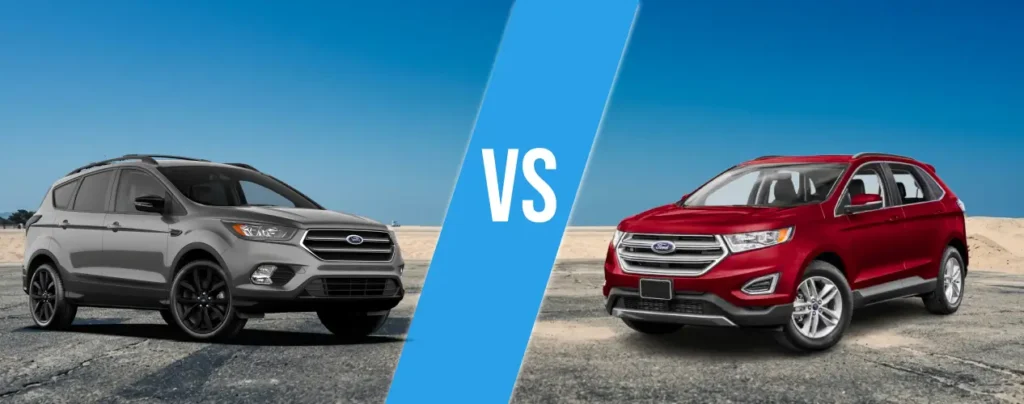
Both sit in Ford’s SUV lineup, both seat five, and both get confused for each other more often than they should. But the Ford Edge and Ford Escape are not the same vehicle, and picking the wrong one can mean spending more than you needed to or ending up with less room than you wanted. This car comparison tries to sort that out plainly.
Size: The Most Obvious Difference
The Edge is a midsize SUV. The Escape is a compact crossover. That gap matters in day to day use more than most people expect.
The Edge measures 188.8 inches from bumper to bumper. The Escape comes in at around 181.2 inches. That seven inch difference does not sound like much, but you feel it when you are loading groceries or fitting the vehicle into a parking structure. The Edge also stands taller at 68.3 inches versus the Escape at 66.1 inches, so headroom in the rear seats is noticeably more generous.
Cargo space follows the same pattern. The Edge gives you 39.2 cubic feet behind the second row and 73.4 cubic feet when that row is folded. The Escape offers 37.5 cubic feet behind the rear seats and 65.4 cubic feet flat. Neither number is bad, but if you regularly haul gear or travel with the whole family plus bags, that extra room in the Edge is real.
One thing the Escape does that the Edge does not: it has a sliding rear seat. You can push passengers back for legroom or slide them forward to free up cargo space behind them. It is a small feature but surprisingly handy.
Under the Hood: Power vs Efficiency
This is where the Ford Edge vs Escape comparison gets interesting because the two vehicles take fairly different approaches.
The 2024 Ford Edge starts with a 2.0 liter EcoBoost four cylinder that puts out 250 horsepower and 280 pound feet of torque. Step up to the available 2.7 liter twin turbo V6 and you get 335 horsepower and 380 pound feet. That engine is genuinely quick. AWD comes standard on every Edge trim, and the fuel economy lands around 21 city and 28 highway with the base engine.
The Escape has more options but less outright power at the base level. The standard 1.5 liter EcoBoost three cylinder makes 180 horsepower, which is fine for commuting but not exciting. The available 2.0 liter four cylinder matches the Edge at 250 horsepower. Then there are the hybrid versions: a standard hybrid with 192 horsepower rated at 42 city and 36 highway, and a plug in hybrid rated at around 101 MPGe combined. The Escape also offers front wheel drive as a standard option, with AWD available.
So in an Escape vs Edge performance review, the Edge wins on raw power and the Escape wins on fuel economy. Which one matters more depends entirely on how you drive.
Inside: Tech, Comfort, and the Details That Add Up
The Ford Escape vs Edge interior comparison is genuinely close in most areas, with a few meaningful differences.
The Edge gets a 12 inch center touchscreen running SYNC 4A as standard equipment. The Escape comes with an 8 inch SYNC 4 screen, though higher trims can move up. Both systems support wireless Apple CarPlay and Android Auto, and both offer a 4G LTE Wi Fi hotspot through FordPass Connect.
Where the Edge pulls ahead for comfort is in its exclusive options: cooled front seats, heated rear seats, and a Bang and Olufsen 12 speaker sound system are all available on the Edge but not on the Escape. If you are someone who notices the little things on a long drive, that is worth considering.
The Escape counters with a 12.3 inch digital instrument cluster and a 360 degree surround view camera, which the Edge does not offer (the Edge has a 180 degree camera). The Escape also has a wireless charging pad on upper trims. Both vehicles include Ford Co Pilot360 as standard, covering blind spot monitoring, pre collision assist, automatic emergency braking, and cross traffic alert.
Pricing: What You Are Actually Paying For
The 2024 Ford Escape starts at around 29,345 dollars. The 2024 Ford Edge starts at around 38,365 dollars. That gap of roughly nine thousand dollars is significant, and it partly explains why these two vehicles attract different buyers even within the same family of Ford SUVs.
The Escape gives you more trim levels to choose from, which means more entry points. If you want a Ford SUV without committing to a midsize price tag, the Escape has a clear advantage. If you want a more premium feel and can justify the cost, the Edge offers a noticeably more substantial vehicle for the money.
It is also worth noting that the Ford Edge was discontinued after the 2024 model year. The Escape is rumored to follow after 2026. If you are looking at either vehicle new, supply will be limited going forward. Used examples may become increasingly attractive.
Ford Edge or Escape: Which One Is Better for You?
There is no universal answer here. The right choice comes down to what you actually need from a vehicle.
If you have a family that travels often, haul things regularly, or simply want more space without stepping into a three row SUV, the Edge delivers that. The stronger engine options and more premium interior features also make it a better fit for someone who plans to spend a lot of time behind the wheel on longer trips.
If fuel economy is a priority and you are spending most of your time in the city, the Escape makes more sense, particularly in hybrid form. The smaller footprint is also easier to manage in tight urban environments. The lower starting price gives you more room to add features without stretching the budget.
Think of it this way: the Escape is the practical, sensible choice that covers most everyday needs without excess. The Edge is for someone who wants a bit more of everything and is willing to pay for it.
If you found this Ford Edge vs Ford Escape breakdown useful, Autoyologist has more comparisons and spec deep dives across the Ford lineup. Worth a look if you are still narrowing things down.
Popular Categories
Latest Article

June 29, 2026

Frequently Asked Questions
Is the Ford Edge bigger than the Ford Escape?
Yes. The Ford Edge is a midsize SUV at 188.8 inches long, while the Ford Escape is a compact crossover at 181.2 inches. The Edge also offers more cargo space and passenger volume, making it the better pick for families or anyone needing extra room.
Which gets better fuel economy, the Ford Edge or the Ford Escape?
The Ford Escape wins on fuel economy, especially in hybrid form where it returns around 42 city and 36 highway. The standard Edge with its 2.0 liter engine manages around 21 city and 28 highway. If saving on fuel is a priority, the Escape is the clear choice.
Is the Ford Edge being discontinued?
Yes. Ford discontinued the Edge after the 2024 model year. The Escape is also rumored to exit production after 2026. If you are considering either vehicle, used inventory and remaining new stock are your main options going forward.
What is the price difference between the Ford Edge and Ford Escape?
The 2024 Ford Escape starts at around $29,345, while the 2024 Ford Edge starts at around $38,365. That roughly $9,000 gap reflects the size difference, stronger engine options, and more premium interior features that come standard on the Edge.

A dedicated platform for car lovers, offering honest reviews, guides, and updates from the automotive world.