
Car Mileage Tips
Warning Signs of a Failing Oil Pump and How to Fix It
Share this :
Warning Signs of a Failing Oil Pump and How to Fix It
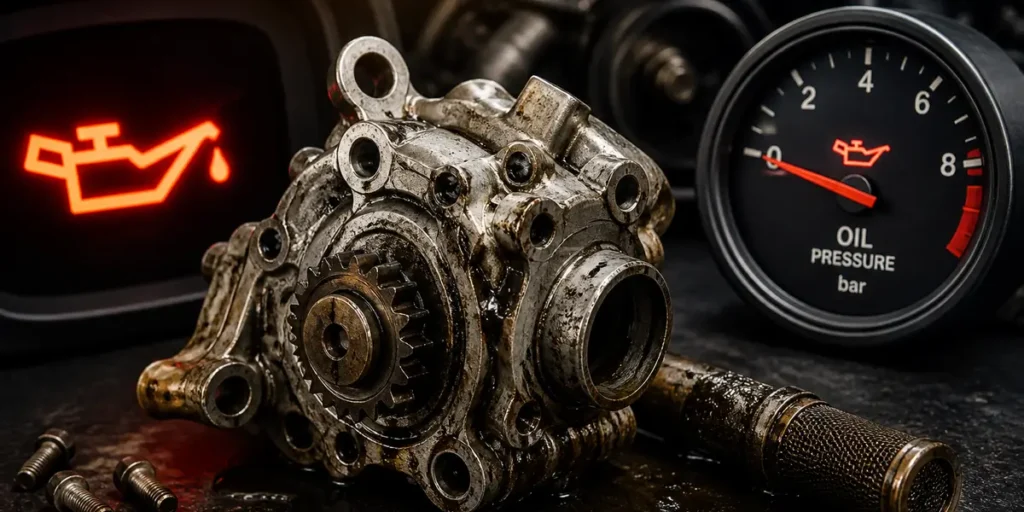
Your engine depends on oil pressure more than most drivers realize. The moment that pressure drops, metal parts that should never touch start grinding against each other. A failing oil pump is one of those problems that seems small at first, then turns into a very expensive repair if you ignore it long enough. Knowing what to watch for can save you a lot of money and a lot of stress.
Understanding the warning signs early can save you thousands of dollars in repairs and help keep your vehicle running efficiently. In this guide, we will explain the most common symptoms of a failing oil pump, the possible causes behind the problem, and the best ways to fix it before serious engine damage occurs.
What Does an Oil Pump Actually Do?
The oil pump pulls engine oil from the pan and pushes it through the engine at a consistent pressure. This keeps every moving part lubricated. Bearings, camshafts, valve train components all of them depend on that steady flow. If the pump slows down or stops working properly, friction takes over fast.
Most pumps are driven directly off the crankshaft or camshaft, which means they run every single time the engine runs. They are simple by design, but they do wear out over time, especially in engines that go too long between oil changes.
Without proper oil circulation, engine parts begin to rub together, generating excessive heat and wear. Even a few minutes of driving with low oil pressure can cause permanent engine damage. That is why recognizing the symptoms of a Failing Oil Pump is extremely important for every driver.
Common Oil Pump Failure Symptoms
1. Low Oil Pressure Warning Light
This is usually the first thing drivers notice. The oil pressure light comes on when pressure drops below the safe threshold, and an oil pump that is starting to wear out is one of the most common reasons this happens.
Do not dismiss this light. A lot of people assume it is a sensor glitch and keep driving. Sometimes it is a sensor issue, but assuming that without checking is a gamble you do not want to take.
2. A Ticking or Whirring Noise From the Engine
When oil pressure falls, components that rely on that pressure start running dry. The valve train is usually the first place you hear it a rhythmic ticking or clattering sound that tends to get louder as the engine warms up.
Some people describe it as a lifter tick. Others say it sounds like a faint whirring from somewhere deep in the engine. Either way, if a noise like this shows up alongside low pressure readings, the oil pump is a strong suspect.
3. Engine Overheating
Oil does more than lubricate. It also pulls heat away from engine components. When the pump is not circulating oil properly, that heat stays trapped. You might notice the temperature gauge creeping higher than usual, especially during longer drives or on hot days.
Overheating from oil pump issues is often confused with a cooling system problem. If your coolant levels are fine but the temperature keeps climbing, it is worth having the oil system checked.
4. Oil Pressure Gauge Reading Too Low
Vehicles with an oil pressure gauge rather than just a warning light will show you exactly how far pressure has dropped. Healthy oil pressure at idle typically falls somewhere between 25 and 65 PSI depending on the engine. If your gauge is sitting below that range while the engine is at normal temperature, the pump may not be generating enough pressure.
A gauge that drops to near zero when you stop at a red light is a serious warning sign. Pull over, shut the engine off, and do not restart it until you know what is going on.
5. Dirty or Degraded Oil
This one is easy to overlook. An oil pump that is struggling often shows signs of distress in the oil itself. Oil that looks very dark, has a burnt smell, or feels gritty between your fingers points to either neglected maintenance or a pump that is circulating oil poorly. Sludge buildup in the pan can also starve the pump of clean oil, which accelerates wear on the pump itself.
6. Engine Oil Leaks
Engine oil leaks are another warning sign that often gets ignored until the problem becomes serious. When an oil pump starts to fail, it can cause pressure irregularities throughout the system. That excess or erratic pressure puts stress on gaskets and seals that were never designed to handle it. Over time, those seals give way. You might notice oil spots on your driveway, a burning smell coming from under the hood, or visible oil residue around the valve cover or oil pan. If you are seeing engine oil leaks alongside any of the other symptoms on this list, the pump is very likely part of the problem and not just the seals.
What Causes an Oil Pump to Fail?
Understanding the causes makes it easier to prevent the problem from coming back after a repair.
Infrequent oil changes are the biggest culprit. Old, dirty oil thickens up and becomes harder for the pump to move. The pump has to work harder, and over time, internal components wear down. Running low on oil has a similar effect the pump starts drawing in air along with oil, which causes it to lose pressure rapidly.
Sludge buildup is another common cause, especially in older engines or those that have spent most of their life doing short city trips. Short drives do not always get the engine hot enough to burn off moisture and contaminants, which leads to sludge forming in the pan and passages.
Using the wrong oil viscosity can also cause pump issues. If the oil is too thick for the operating conditions, the pump struggles. If it is too thin, it does not provide the film strength needed to keep the pump and other components protected.
Oil Pump Maintenance Tips to Avoid Failure
The best thing you can do for your oil pump is also the simplest: change your oil on schedule. Every manufacturer specifies an interval for a reason. Sticking to it keeps the oil clean and the pump working the way it should.
Check your oil level every few weeks, especially if your vehicle is older. A quart low does not seem like much, but it can drop pump pressure enough to cause wear over time.
If your engine has a lot of miles and has been running on conventional oil, talk to a mechanic before switching to a high mileage or synthetic formula. A good synthetic can reduce pump wear significantly, but the switch should be done with an understanding of the engine’s current condition.
Avoid cold starts with a heavy right foot. Oil pressure takes a few seconds to build after startup, especially in cold weather. Revving a cold engine hard before the oil has circulated puts unnecessary stress on the pump and everything downstream.
How to Fix a Failing Oil Pump
If you catch the problem early, there are a few things worth trying before committing to a full pump replacement.
An engine flush can clear out sludge that may be blocking oil passages and starving the pump. This is not a guaranteed fix, but it has helped in cases where the pump itself is still mechanically sound but just not getting clean oil to work with.
If the pump is genuinely worn out, replacement is the right call. Oil pumps are not terribly expensive as parts go, but the labor involved in accessing them can add up, since many designs require dropping the oil pan or disturbing other components.
The cost of replacing an oil pump is almost always less than the cost of rebuilding an engine that was run without adequate oil pressure. If a mechanic confirms the pump is failing, do not delay the repair.
When to See a Mechanic
Any time the oil pressure warning light stays on for more than a second or two, treat it as urgent. Same goes for new engine noises that appear alongside low pressure readings. These are not problems that tend to resolve on their own.
If you are unsure whether the issue is the pump, a clogged filter, a failing pressure relief valve, or simply low oil level, a shop with a mechanical oil pressure gauge can test pressure directly at the engine and give you a clear answer quickly.
Final Thought
A failing oil pump is not something to wait on. The engine damage that comes from running low pressure even for a short time can be severe and permanent. The signs are usually there well before things get critical a warning light, a new noise, rising temperatures, dropping gauge readings. Catching those early and acting on them is what keeps an engine running for the long haul.
At Autoyologist, we believe most engine problems are preventable with the right information and a little attention. This one especially. Stay on top of your oil changes, listen to what your engine tells you, and deal with pressure issues the moment they show up.
Popular Categories
Latest Article
June 29, 2026

June 29, 2026

June 17, 2026

June 17, 2026
Frequently Asked Questions
Can I still drive my car if the oil pump is failing?
No, you should not. Driving with a failing oil pump puts the engine at serious risk of damage within a short distance. Pull over safely, turn the engine off, and get the car inspected before driving it again.
How much does it cost to replace a failing oil pump?
Parts typically range from $50 to $150 depending on the vehicle, but labor can push the total to $300 to $600 or more. The cost varies based on how accessible the pump is in your specific engine layout.
Can engine oil leaks cause oil pump failure?
Yes, indirectly. Engine oil leaks reduce the total oil volume circulating through the system. When the level drops low enough, the pump starts pulling in air, which causes pressure loss and accelerates internal wear on the pump itself.
Is low oil pressure always caused by a bad oil pump?
Not always. A clogged oil filter, a faulty pressure sensor, worn engine bearings, or simply low oil level can all produce the same warning light. A mechanic can do a direct pressure test to identify the exact cause.

A dedicated platform for car lovers, offering honest reviews, guides, and updates from the automotive world.