
Car Mileage Tips
Honda CR-V vs Toyota RAV4: The Ultimate SUV Comparison
Share this :
Honda CR-V vs Toyota RAV4: The Ultimate SUV Comparison
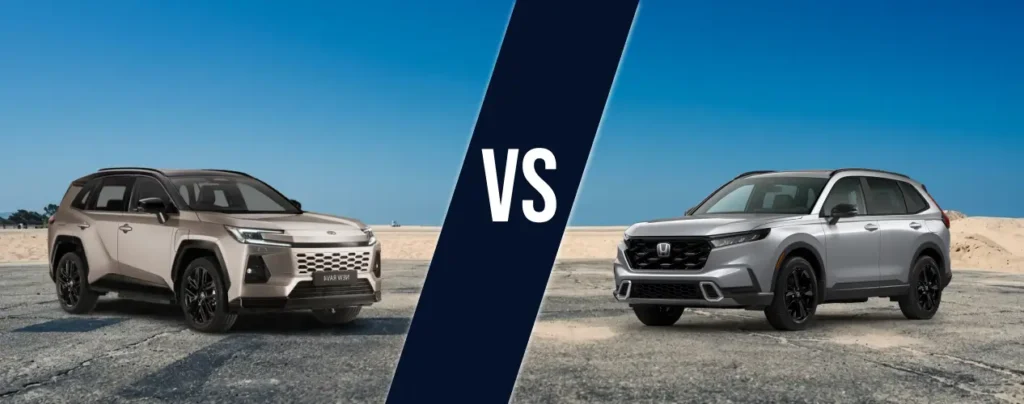
If you have been shopping for a compact SUV lately, there is a good chance these two names keep showing up. The Honda CR-V and Toyota RAV4 have been going back and forth for years, and both have earned their place at the top of the segment. But they are not the same vehicle, and choosing between them is not as simple as picking the one with a longer spec sheet.
This comparison exists because real buyers are genuinely torn. So rather than just listing numbers side by side, this guide breaks down what it actually feels like to own, drive, and live with each one.
A Quick Look at Where Each One Stands
The RAV4 is Toyota’s best-selling vehicle globally. That is not a marketing line, it is a fact that tells you something about how broadly appealing this SUV is. It has a boxy, upright design that maximises interior space and gives it a more rugged look than its predecessor.
The CR-V takes a different approach. Honda went with a sleeker silhouette, a more car-like driving feel, and an interior that feels almost premium once you step inside. It does not shout for attention, but it holds up well when you look closely.
Both vehicles sit in the same price range, target the same buyers, and compete directly in almost every category. That is exactly what makes this car comparisons worth having.
Honda CR-V vs Toyota RAV4 Specs: The Numbers That Matter
Starting with engines, the standard CR-V runs a 1.5-litre turbocharged four-cylinder producing around 190 horsepower. Honda also offers a hybrid version that pairs a 2.0-litre Atkinson-cycle engine with two electric motors for a combined output close to 204 horsepower.
The RAV4 keeps things naturally aspirated on the base trim, with a 2.5-litre four-cylinder making 203 horsepower. Its hybrid version produces 219 horsepower through Toyota’s well-tested hybrid system, which has been in vehicles for over two decades.
On paper, the RAV4 has a slight power advantage. In real-world driving, most people would not feel a meaningful difference between 190 and 203 horsepower in a family SUV. Where the gap does show up is fuel economy, and this is where things get interesting.
The CR-V hybrid returns around 40 miles per gallon in combined driving. The Toyota RAV4 hybrid sits at roughly 38 mpg combined. Both are strong numbers. The conventional versions are closer together, both landing in the high 20s to low 30s depending on whether you are on the highway or stuck in city traffic.
Cargo space is another area where buyers pay attention. The CR-V offers about 39 cubic feet behind the rear seats, expanding to around 76 cubic feet with them folded. The RAV4 provides approximately 37.6 cubic feet behind the second row and 69.8 cubic feet with the seats down. The CR-V wins on paper here, though neither vehicle will leave you frustrated trying to load luggage or groceries.
How They Drive
This is where personal preference starts to matter more than specifications.
The CR-V drives more like a tall car than a traditional SUV. Steering is responsive, body roll is controlled, and the ride is comfortable without feeling overly soft. If you spend most of your time on urban roads or motorways, this feels natural and unfussy.
The RAV4 sits higher, feels more substantial, and appeals to people who want that solid, planted sensation when driving. It is not sporty, but it does not try to be. The ride is composed, and the steering gives you enough feedback without being twitchy.
If you want the more engaging drive, the CR-V edges ahead. If you want something that feels capable and grounded, the RAV4 suits that better.
Interior Quality and Technology
Step inside the CR-V and the quality of materials is immediately noticeable. Soft-touch surfaces, logical layout, and Honda’s Sensing suite of driver assistance features come standard across trims. The infotainment system responds quickly and the digital driver display is easy to read.
The RAV4 interior is functional but slightly behind on material refinement at comparable price points. Where Toyota pulls ahead is reliability of the technology. The audio system is straightforward, physical controls are still present for climate functions, and the system does not try to do too much at once.
Both come loaded with safety features. Automatic emergency braking, lane departure warning, adaptive cruise control, and lane centering are included on most trims. Toyota Safety Sense and Honda Sensing are both genuinely good packages, and buyers should not stress over which one is safer because neither vehicle has a significant advantage there.
Exterior Design and Road Presence
The Honda CR-V follows a clean and mature design philosophy. It looks refined without trying too hard. The long body shape, sleek headlights, and subtle curves give it an upscale appearance that appeals to families and professionals alike.
The Toyota RAV4 takes a more rugged approach. Its bold grille, sharp body lines, and aggressive stance make it look adventure ready. Toyota clearly designed the RAV4 for drivers who want a sportier and tougher personality.
If you prefer elegance and simplicity, the CR-V feels more premium. If you want something rugged and sporty, the RAV4 stands out more on the road.
Engine Performance and Driving Feel
Performance is one of the biggest factors in the Honda CR-V vs Toyota RAV4 debate.
The Honda CR-V offers two powertrain options. The standard turbocharged 1.5 liter engine produces around 190 horsepower, while the hybrid version generates approximately 204 horsepower with smooth acceleration and impressive fuel efficiency.
The Toyota RAV4 now leans heavily into hybrid technology. The newer RAV4 hybrid models produce between 226 and 236 horsepower depending on drivetrain configuration. Toyota also offers a powerful plug in hybrid version that pushes performance even further.
On the road, the CR-V feels smoother and more refined. Steering feels lighter, suspension tuning is softer, and cabin noise remains low even at highway speeds. Many reviewers describe the CR-V as more comfortable for daily commuting and family driving.
The RAV4 feels more energetic and rugged. It delivers stronger acceleration in hybrid trims and handles rough roads better, especially in Woodland and off road focused variants. However, some drivers find the engine noisier during hard acceleration.
Honda CR-V or Toyota RAV4: Which Is Better for You?
Here is the honest answer. Neither one is objectively better.
If you prioritise cargo space, a more refined interior, and a car-like driving experience, the CR-V makes more sense. It is the choice for someone who wants a practical family vehicle that does not feel like a compromise.
If you want a more durable, capable SUV with strong resale value and a proven hybrid system, the RAV4 earns its reputation. Toyota’s long track record with reliability is not something to dismiss, and the RAV4 carries that legacy well.
Both are available as hybrids, and if fuel economy is a priority, that version of either vehicle is worth the extra cost. The hybrid models are genuinely efficient and reduce running costs over time.
Final Thoughts
The Honda CR-V vs Toyota RAV4 debate has been running for years because both vehicles are genuinely good. They have different characters, and whichever one you choose will likely serve you well for a long time.
Test drive both. Sit in both. Think about how you actually use an SUV day to day, not how you imagine you might use it. That will tell you more than any comparison chart.
If you found this breakdown useful, Autoyologist covers more comparisons, import guides, and vehicle reviews across the full range of what is available in the market. Stick around.
Popular Categories
Latest Article



June 29, 2026

Frequently Asked Questions
Is the Honda CR-V better than the Toyota RAV4 for daily commuting?
The CR-V has a slight edge for daily commuting thanks to its car-like ride and responsive steering. It feels nimble in city traffic and comfortable on long motorway stretches. The RAV4 is no slouch either, but the CR-V simply feels more at home in urban conditions.
Which has better fuel economy, the Honda CR-V or Toyota RAV4?
Both are efficient, but the CR-V hybrid returns around 40 mpg combined compared to the RAV4 hybrid at roughly 38 mpg. If fuel savings are a priority, either hybrid version is worth the investment over the standard petrol models.
Which SUV has more cargo space, the CR-V or RAV4?
The CR-V offers more cargo room with around 39 cubic feet behind the rear seats versus the RAV4's 37.6 cubic feet. With seats folded, that gap widens further. For families who frequently carry large loads, the CR-V has a practical advantage.
Which one holds its value better over time?
The Toyota RAV4 has traditionally held stronger resale value, largely due to Toyota's reputation for long-term reliability. That said, the CR-V also retains value well compared to most competitors in the compact SUV segment.
Are both the CR-V and RAV4 available as hybrid models?
Yes, both offer hybrid versions. The CR-V Hybrid uses a 2.0-litre engine paired with two electric motors, while the RAV4 Hybrid uses Toyota's proven hybrid system with over two decades of refinement behind it. Both are strong choices if efficiency matters to you.

A dedicated platform for car lovers, offering honest reviews, guides, and updates from the automotive world.