

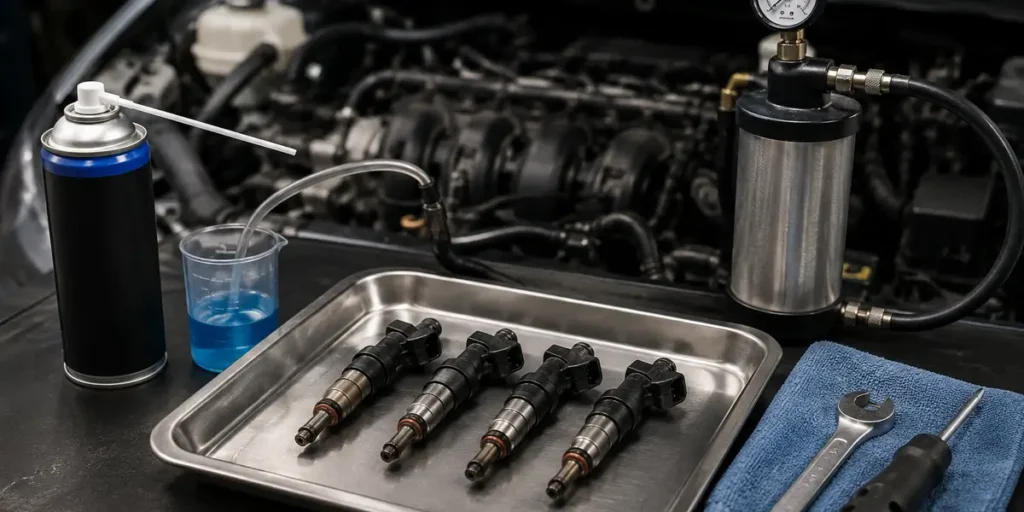
Modern cars run on precision. Even a tiny hiccup in the fuel system can make the engine feel lazy, shaky, or thirsty for fuel. One of the sneaky problems many drivers ignore is dirty fuel injectors. It sounds technical, sure, but honestly, it is more common than people think.
You might notice your car suddenly feels sluggish on the road. Maybe fuel mileage drops out of nowhere. Sometimes the engine vibrates at idle like it is having a bad morning. In many cases, grimy injectors are the hidden culprit behind all that drama.
The bright side? Fuel Injector Cleaning is not always a mechanic only job. With a few basic tools and a little patience, plenty of car owners handle it right from their driveway. No fancy workshop needed. Just some know how and a weekend mood.
In this detailed guide from Autoyologist, you will learn practical DIY methods to clean fuel injectors at home without making the process complicated or overwhelming.
What Exactly Does a Fuel Injector Do?
Think of a fuel injector like a tiny spray nozzle feeding your engine. Its job is to deliver fuel into the combustion chamber in a super fine mist so the engine can burn it efficiently.
Now here is where things get annoying.
Over time, carbon residue, dust particles, and fuel varnish start building up inside those little injector openings. Once that happens, fuel flow becomes uneven. The engine no longer gets the clean spray pattern it needs, and performance slowly starts dipping.
A clogged injector can trigger problems like:
- Rough idling
- Weak acceleration
- Poor fuel economy
- Engine hesitation
- Hard starts during cold mornings
- Excessive exhaust smoke
Regular Fuel Injector Maintenance helps stop these issues before they snowball into expensive repairs.
Signs Your Fuel Injectors Might Be Dirty
Cars usually throw subtle hints before things get serious. You just have to catch them early.
Poor Fuel Mileage
If you are filling up more often than usual, dirty injectors may be restricting proper fuel delivery. The engine compensates by burning extra fuel, which quietly wrecks your mileage.
Rough Engine Idle
A shaky idle is one of the classic warning signs. The engine may sound uneven or feel jittery while sitting at a traffic light.
Slow Acceleration
Press the pedal and the car responds half asleep? That laggy feeling often points toward clogged injectors disrupting fuel spray.
Engine Misfires
Blocked injectors can create uneven combustion inside the cylinders. The result is jerking, sputtering, or random vibrations while driving.
Hard Starting Problems
When fuel flow becomes inconsistent, the engine may struggle to fire up properly, especially during colder weather.
DIY Fuel Injector Cleaning Methods
There is no single magic method for injector cleaning. Some techniques are quick and beginner friendly, while others require a bit more elbow grease.
Let us go through the most effective options.
Method 1: Use a Fuel Injector Cleaner
This is by far the easiest route for everyday drivers.
A Fuel Injector Cleaner is basically a specially formulated liquid that gets poured into the fuel tank. As you drive, it helps dissolve carbon deposits and gunk inside the injectors.
Simple. Cheap. Surprisingly effective for mild buildup.
How to Use It
- Buy a trusted Fuel Injector Cleaner compatible with your vehicle.
- Read the instructions carefully because every brand is slightly different.
- Pour the cleaner into the fuel tank before refueling.
- Fill the tank completely.
- Drive normally for several miles.
That is literally it.
For cars with light injector deposits, this method works wonderfully as preventive maintenance.
Why Many Drivers Prefer Fuel Additives
Here are a few reasons people stick with injector cleaners:
- No tools required
- Budget friendly maintenance
- Helps improve fuel efficiency
- Reduces carbon buildup gradually
- Beginner friendly process
It may not fix severely clogged injectors, but for routine upkeep, it does the job nicely.
Method 2: Manual Fuel Injector Cleaning
Now we are entering slightly grease stained territory.
If injectors are badly clogged, removing and manually cleaning them often delivers stronger results.
This method takes longer, but it can dramatically restore engine performance.
Tools You May Need
Before starting, gather a few essentials:
- Basic hand tools
- Fuel injector cleaning kit
- Cleaning solvent
- Protective gloves
- Safety glasses
Having everything ready beforehand makes the process smoother and less chaotic.
Step by Step Fuel Injector Cleaning Process
Step 1: Disconnect the Battery
Safety first. Always disconnect the battery before touching any fuel system components.
Fuel systems and sparks are a terrible combo.
Step 2: Relieve Fuel Pressure
Locate the fuel pump fuse and remove it. Then start the engine and let it run until it stalls naturally.
This helps release pressure trapped inside the fuel lines.
Step 3: Remove the Fuel Injectors
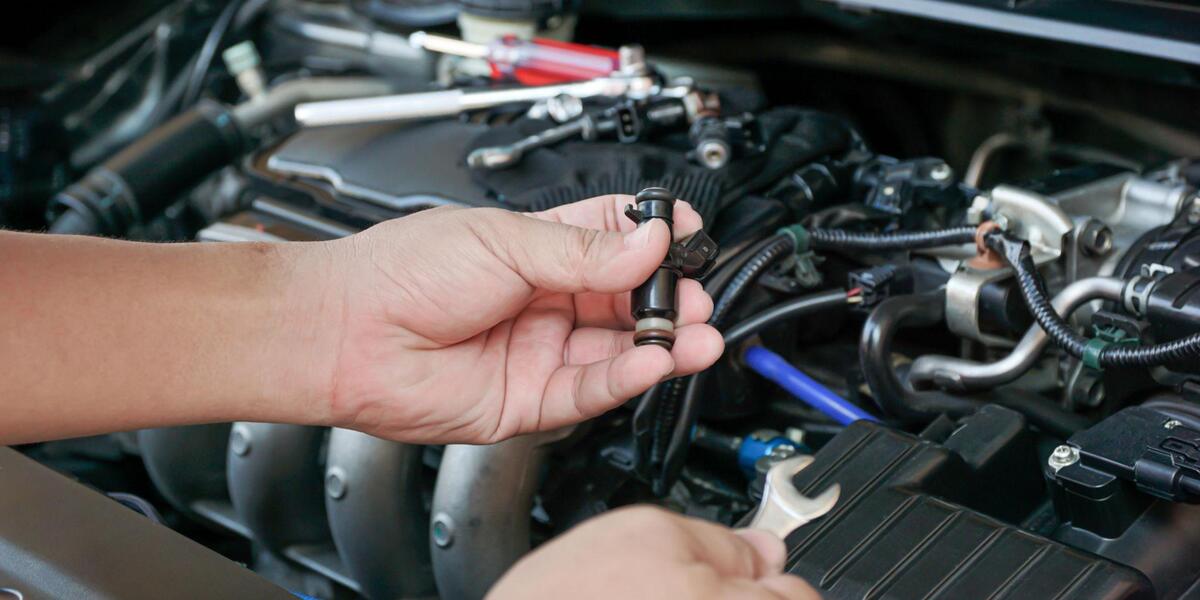
Carefully remove the fuel rail and detach each injector one by one.
Take your time here. Injector connectors and seals can be fragile if handled roughly.
Step 4: Clean the Injectors
Use a cleaning kit or approved solvent to flush out dirt, varnish, and carbon deposits.
Some people use ultrasonic cleaners for deeper cleaning, though that is more advanced territory.
Step 5: Reinstall Everything
Once cleaned properly, reinstall the injectors, reconnect the fuel rail, and attach the battery again.
Double check all fittings before starting the engine. A careful DIY Fuel Injector Cleaning session can genuinely bring an engine back to life.
Can You Clean Fuel Injectors Without Removing Them?
Many car owners prefer non removal cleaning methods because they are quicker and less intimidating. Fuel additives and pressurized injector cleaning kits can clean moderate buildup while injectors stay installed.
This approach works especially well for preventive maintenance and mildly dirty injectors.
Smart Habits That Keep Fuel Injectors Cleaner Longer
Truth be told, prevention is way easier than repair.
A few simple habits can keep your fuel system healthier for a long time.
Use Better Quality Fuel
Cheap fuel often contains more impurities and residue. Using decent quality gasoline reduces carbon buildup over time.
Avoid Driving on Empty
Running the tank extremely low allows sediment from the bottom of the tank to move into the fuel system.
That debris eventually reaches the injectors.
Replace Fuel Filters on Time
A clogged fuel filter allows contaminants to circulate through the system. Fresh filters help protect injector performance.
Use Injector Cleaner Occasionally
Adding a Fuel Injector Cleaner every few thousand miles can prevent stubborn buildup before it becomes serious.
Drive the Car Regularly
Cars sitting unused for weeks tend to develop fuel deposits faster. Regular driving helps keep the system flowing properly.
Common Injector Cleaning Mistakes to Avoid
DIY maintenance saves money, but rushing things can create bigger headaches.
Avoid these common slip ups:
- Using harsh or incorrect chemicals
- Forgetting to disconnect the battery
- Damaging injector seals during removal
- Ignoring safety precautions
- Applying too much pressure while cleaning
Patience matters a lot during Car Fuel Injector Cleaning. Tiny mistakes can turn into expensive repairs surprisingly fast.
When It Is Time to Visit a Mechanic
Sometimes injectors are simply too damaged or heavily clogged for DIY cleaning.
If problems continue after cleaning, professional inspection may be necessary.
Watch for these serious symptoms:
- Failing Oil Pump
- Severe loss of power
- Strong fuel odor
- Strong fuel odor
- Check engine light staying on
- Persistent engine misfires
Professional mechanics use specialized testing equipment that can identify deeper fuel system issues quickly.
Final Thoughts
Taking care of your fuel system does not have to drain your wallet. A little routine Fuel Injector Cleaning can improve engine response, restore fuel economy, and help your car feel smoother on the road again. Whether you use a Fuel Injector Cleaner or tackle a full manual cleaning job, regular maintenance genuinely makes a noticeable difference. Tiny preventative steps today can save you from brutal repair bills later.
For many drivers, learning how to clean fuel injectors becomes one of those surprisingly useful DIY skills that pays off year after year. With the right tools, a calm approach, and basic maintenance habits, you can keep your injectors clean and your engine running buttery smooth for the long haul.



Frequently Asked Questions