
CAr guide
How to Detect and Fix Engine Knocking Sounds
Share this :
How to Detect and Fix Engine Knocking Sounds
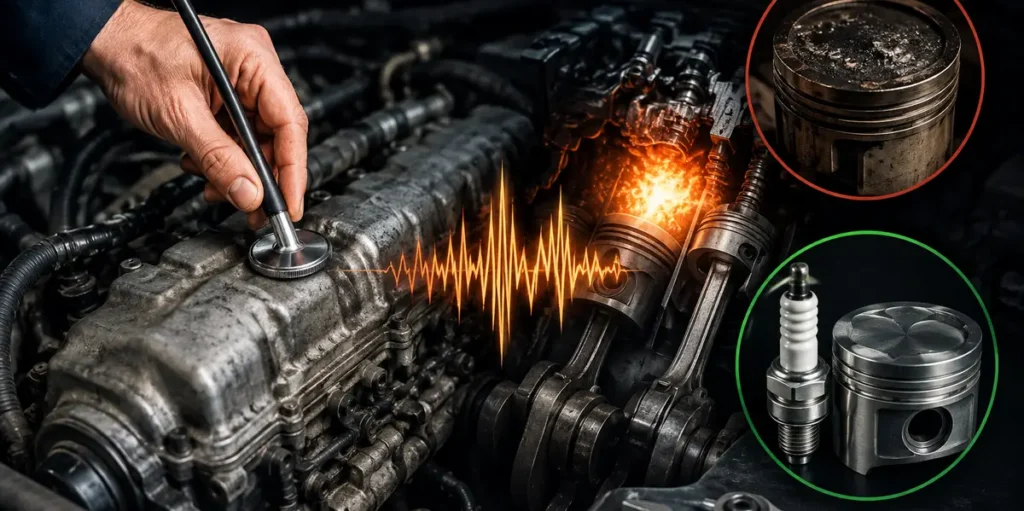
If your car suddenly starts making a strange knocking noise from under the hood, it is not something you should ignore. Many drivers hear the sound and hope it will disappear on its own. Unfortunately, engine knocking sounds are often a warning sign that something is not working correctly inside the engine.
Sometimes the problem is as simple as using the wrong fuel. In other cases, it can point to serious internal engine damage that requires immediate attention. Knowing how to identify the sound early and understanding what causes it can save you from expensive repairs later.
In this guide, we will explain what engine knocking sounds are, what causes them, how to diagnose the problem, and the best ways to fix it before it turns into a costly repair.
What Are Engine Knocking Sounds?
Engine knocking sounds are unusual noises that occur when fuel burns unevenly inside the engine’s combustion chamber. Instead of a smooth and controlled ignition process, the fuel air mixture ignites at the wrong time or in multiple places simultaneously.
This creates a metallic knocking, pinging, or rattling sound that can become more noticeable when accelerating, climbing hills, or driving under heavy load.
The sound may seem minor at first, but continued knocking can cause serious wear on engine components such as pistons, connecting rods, and cylinder walls.
What Does Engine Knocking Sound Like?
Many drivers describe engine knocking sounds as:
- A metallic pinging noise
- A rattling sound coming from the engine
- Repeated tapping during acceleration
- A knocking noise when climbing hills
- A sound similar to shaking small metal objects in a can
The intensity can vary depending on the underlying issue. Some vehicles only experience occasional knocking while others produce constant noise during operation.
Common Engine Knocking Causes
Understanding the most common engine knocking causes can help you identify the problem quickly.
Low Octane Fuel
One of the most common causes of engine knocking is using fuel with an octane rating lower than the manufacturer recommends.
High performance engines are designed to operate with specific fuel grades. When lower octane fuel is used, premature combustion can occur, leading to knocking noises.
If the knocking started shortly after refueling, this could be the source of the problem.
Carbon Deposits Inside the Engine
Over time, carbon deposits can build up inside combustion chambers. These deposits reduce the available space for combustion and increase compression levels.
As compression rises, fuel can ignite earlier than intended, causing engine detonation issues and knocking sounds.
This problem is more common in older vehicles and engines with high mileage.
Incorrect Ignition Timing
The ignition system controls when the spark plug fires. If ignition timing becomes advanced or out of sync, combustion can occur too early.
When this happens, pressure builds up before the piston reaches the correct position, creating knocking sounds and potentially damaging engine components.
Faulty Knock Sensor
Modern vehicles use knock sensors to detect abnormal combustion and adjust engine timing automatically.
When a knock sensor fails, the engine control unit may not receive accurate information. As a result, the engine may continue operating under conditions that promote knocking.
Lean Air Fuel Mixture
An engine requires the proper balance of air and fuel for efficient combustion.
When too much air enters the combustion chamber and not enough fuel is present, combustion temperatures increase significantly. Higher temperatures can trigger premature ignition and engine knocking sounds.
Overheating Engine
Excessive engine temperatures can create ideal conditions for uncontrolled combustion.
A failing cooling system, low coolant levels, or a malfunctioning thermostat can all contribute to overheating and engine knock problems.
Engine Knocking Symptoms You Should Never Ignore
Engine knocking rarely appears alone. Several warning signs often accompany the noise.
Reduced Engine Performance
You may notice slower acceleration, reduced power, or sluggish throttle response.
Poor Fuel Economy
An engine experiencing abnormal combustion often becomes less efficient, leading to increased fuel consumption.
Check Engine Light
A faulty knock sensor or combustion related issue can trigger the check engine light.
Rough Engine Operation
The vehicle may idle roughly or feel less smooth while driving.
Increased Engine Temperature
Many knocking problems are associated with excessive heat buildup inside the engine.
Recognizing these engine knocking symptoms early can prevent more severe mechanical damage.
How to Diagnose Engine Knocking Sounds
Proper diagnosis is essential before attempting any repairs.
Step 1: Listen Carefully
Determine when the knocking occurs.
Ask yourself:
- Does it happen during acceleration?
- Does it occur when the engine is cold?
- Is it present at idle?
- Does it disappear at highway speeds?
The answers can help narrow down the cause.
Step 2: Check Fuel Quality
Think about your most recent fuel purchase.
If you used a lower grade fuel than recommended, try filling the tank with the correct octane rating and monitor whether the noise improves.
Step 3: Scan for Trouble Codes
Using an OBD scanner can reveal diagnostic trouble codes related to ignition timing, fuel delivery, or knock sensor problems.
Step 4: Inspect Spark Plugs
Worn or damaged spark plugs can contribute to abnormal combustion.
Check for excessive carbon buildup, incorrect gaps, or signs of overheating.
Step 5: Examine the Cooling System
Ensure coolant levels are correct and verify that the cooling system is functioning properly.
Overheating can worsen engine detonation issues.
How to Fix Engine Knocking Sounds
The correct repair depends on the root cause.
Use the Recommended Fuel
If low octane fuel is responsible, switch to the manufacturer recommended fuel grade.
Many drivers notice improvement after a few tanks of higher quality fuel.
Clean Carbon Deposits
Fuel system cleaners and professional intake cleaning services can help remove carbon buildup.
In severe cases, a mechanic may perform a more extensive combustion chamber cleaning.
Replace Faulty Spark Plugs
Installing new spark plugs can restore proper combustion and reduce knocking.
Always use spark plugs that meet manufacturer specifications.
Repair or Replace the Knock Sensor
A defective knock sensor should be replaced promptly.
Without accurate feedback, the engine control system cannot make necessary timing adjustments.
Correct Ignition Timing
A technician can inspect and adjust ignition timing if it has drifted outside factory specifications. Since ignition timing plays a critical role in the overall Car Ignition System, correcting it can help restore proper engine performance, improve fuel efficiency, and prevent issues such as engine knocking or rough idling.
Fix Cooling System Problems
Repairing coolant leaks, replacing a faulty thermostat, or servicing the radiator can help eliminate overheating related knocking.
Can You Drive With Engine Knocking Sounds?
While the vehicle may still run, driving with persistent engine knocking sounds is not recommended.
Light knocking caused by fuel quality may not create immediate damage. However, ongoing detonation can place tremendous stress on internal engine components.
Ignoring the problem can eventually lead to:
- Damaged pistons
- Bent connecting rods
- Cylinder wall damage
- Engine overheating
- Complete engine failure
Addressing the issue early is always the safest and most cost effective option.
Engine Knock Repair Cost
One of the most common questions drivers ask is about engine knock repair cost.
The answer depends on the severity of the issue.
Repair Type | Estimated Cost |
Higher octane fuel | $10 to $30 |
Fuel system cleaning | $100 to $300 |
Spark plug replacement | $100 to $400 |
Knock sensor replacement | $150 to $600 |
Ignition timing adjustment | $100 to $500 |
Major internal engine repair | $1,500 to $6,000+ |
Minor issues are usually affordable to fix, but prolonged neglect can lead to major engine repairs that cost thousands of dollars.
How to Prevent Engine Knocking in the Future
Prevention is always easier than repair.
Follow these simple maintenance habits:
- Use the correct fuel grade
- Replace spark plugs on schedule
- Change engine oil regularly
- Keep the cooling system maintained
- Address check engine lights promptly
- Use quality fuel from reputable stations
- Perform regular engine inspections
These steps can significantly reduce the likelihood of future knocking problems.
Final Thoughts
Engine knocking sounds are one of the clearest signs that your engine needs attention. While some causes are relatively simple to fix, others can lead to severe damage if ignored. Paying attention to engine knocking symptoms, identifying common engine knocking causes, and addressing engine detonation issues early can save both money and frustration.
At Autoyologist, we always recommend treating unusual engine noises seriously. A quick inspection today can prevent a major repair bill tomorrow. If your vehicle starts producing knocking sounds, do not wait for the problem to worsen. Diagnose it early, fix it correctly, and keep your engine running smoothly for years to come.
Popular Categories
Latest Article



June 29, 2026
Frequently Asked Questions
What are the first signs of engine knocking?
The first signs of engine knocking usually include a metallic pinging sound during acceleration, reduced engine performance, poor fuel economy, and occasional rattling noises coming from the engine bay. In some cases, the check engine light may also appear.
Can engine knocking go away on its own?
Engine knocking caused by low octane fuel may improve after switching to the correct fuel grade. However, knocking caused by carbon buildup, faulty spark plugs, or internal engine problems will not disappear without repairs.
What causes engine knocking when accelerating?
Engine knocking during acceleration is often caused by low octane fuel, carbon deposits, incorrect ignition timing, a lean fuel mixture, or engine detonation issues. The problem becomes more noticeable when the engine is under load.
How much does engine knock repair cost?
Engine knock repair cost can range from as little as $20 for a fuel related issue to several thousand dollars for major engine repairs. The final cost depends on the underlying cause and the extent of engine damage.
Can bad spark plugs cause engine knocking?
Yes. Worn or damaged spark plugs can disrupt the combustion process and create conditions that lead to engine knocking sounds. Replacing faulty spark plugs often helps resolve the issue.
Will premium fuel stop engine knocking?
Premium fuel can help if the knocking is caused by using fuel with an octane rating lower than the manufacturer's recommendation. However, premium fuel will not fix mechanical problems or severe carbon buildup.
What is the difference between engine knocking and engine ticking?
Engine knocking is usually linked to abnormal combustion inside the cylinders, while engine ticking often comes from valve train components, lifters, injectors, or low engine oil levels.
Can low engine oil cause knocking sounds?
Yes. Low engine oil can reduce lubrication between moving engine parts, leading to knocking or tapping noises. Regular oil changes and proper oil levels are essential for engine health.
How do mechanics diagnose engine knocking?
Mechanics typically inspect fuel quality, scan diagnostic trouble codes, check spark plugs, test the knock sensor, verify ignition timing, and inspect the cooling system to identify the exact cause of the knocking.
What happens if engine knocking is ignored?
Ignoring engine knocking can result in damaged pistons, bent connecting rods, overheating, reduced performance, and eventually complete engine failure.
Can carbon buildup cause engine knocking?
Yes. Carbon deposits inside the combustion chamber can increase compression and create hot spots that cause premature fuel ignition, leading to engine knocking sounds.
Does engine knocking mean I need a new engine?
Not necessarily. Many cases are caused by fuel quality, spark plugs, sensors, or carbon buildup. Only severe or long term knocking that causes internal damage may require an engine rebuild or replacement.
Why is my engine knocking only when the engine is hot?
Knocking that occurs when the engine is hot may be related to overheating, carbon buildup, ignition timing issues, or a lean air fuel mixture. Higher temperatures make abnormal combustion more likely.
How can I prevent engine knocking in the future?
You can prevent engine knocking by using the correct fuel grade, changing oil regularly, replacing spark plugs on schedule, maintaining the cooling system, and addressing warning lights promptly.

A dedicated platform for car lovers, offering honest reviews, guides, and updates from the automotive world.